
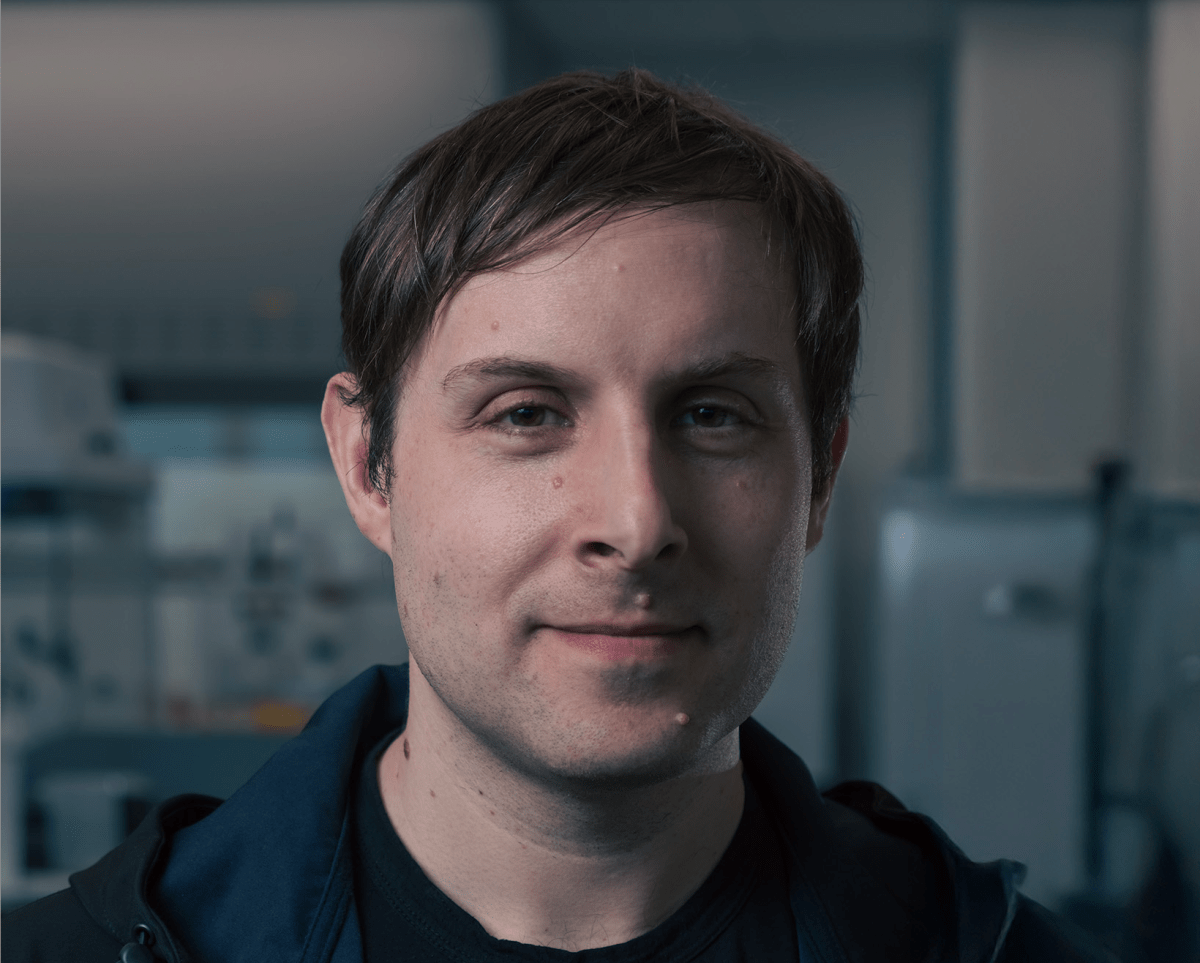
Science Corp CEO Max Hodak is advancing a radical vision for brain-computer interfaces (BCI) that moves beyond simple electrodes toward lab-grown neural tissue and the eventual digital migration of human consciousness. While global competitors like China aim for BCI dominance by 2030, Hodak is prioritizing engineering breakthroughs that solve the biological rejection and infection risks inherent in current implantable devices.
Restoring Vision with the Prima Retinal Implant
Science Corp is currently transitioning from theoretical research to commercial medical applications through its flagship project, Prima. This technology, which Time magazine recently featured, utilizes a sub-retinal chip smaller than a grain of rice to restore “form vision” in patients suffering from advanced macular degeneration. Unlike devices that only provide vague light perception, Prima allows users to distinguish shapes and text.
The company acquired the Prima technology from the French firm Pixium Vision last year. Subsequent clinical trials involving 38 patients yielded unprecedented results: 80% of participants regained the ability to read fluently. Hodak anticipates a European commercial launch by next summer, while the timeline for FDA approval in the United States remains under negotiation. At an estimated cost of $200,000 per procedure, the company expects to reach profitability by treating as few as 50 patients per month.

The Engineering Leap: From Electrodes to Optogenetics
Hodak argues that the primary innovation at Neuralink was not the neuroscience itself—which has existed for decades—but the engineering required to miniaturize power-efficient, fully implantable devices. Science Corp is now pushing that envelope by exploring optogenetic gene therapy. This method involves engineering retinal cells to express light-sensitive proteins, allowing them to respond directly to visual stimuli without the need for physical electrodes.
The human eye provides a unique environment for this therapy because it is immunologically privileged, meaning it is less likely to trigger an aggressive immune response against engineered cells. Hodak claims Science Corp’s proprietary proteins are more sensitive and faster than those used by competitors, positioning the company at the forefront of “electrode-free” neural stimulation.
Biohybrid Innovation: Growing New Brain Tissue
The long-term limitation of current BCIs is mechanical tissue damage. Inserting physical probes into the cortex inevitably displaces and harms neurons, capping the scalability of the interface. To bypass this, Science Corp has developed a proof-of-concept biohybrid device.
This “waffle-like” grid sits on the surface of the brain and contains engineered neurons grown from stem cells. Once installed, these lab-grown neurons extend axons and dendrites into the host brain, forming natural biological connections. Initial tests on mice showed successful integration, with a majority of subjects learning to navigate tasks using the supplemental neural tissue. To ensure safety, the company has integrated a biological “kill switch”: a specific vitamin can be administered to trigger the death of the engineered neurons if complications arise.
The 2035 Tipping Point: Longevity and Substrate Independence
Hodak views BCI technology as a gateway to human longevity and “substrate independence.” He posits that if consciousness can be understood as a physical process independent of biological hardware, it can eventually be migrated to new mediums. By 2035, Hodak predicts that patients facing terminal illnesses may choose to have their consciousness preserved or “uploaded” via advanced interfaces rather than succumbing to biological failure.
This vision extends to the “binding problem” of neuroscience—how individual neurons create a unified experience. Hodak suggests that BCIs could eventually allow multiple brains to link, creating collective consciousness or “super-organisms.” While acknowledging the dystopian parallels to science fiction, he maintains that the development of these devices is an inevitable scientific trajectory.
Economic Disruptions and the Future of Healthcare
The proliferation of high-cost, life-extending BCIs threatens to destabilize traditional healthcare economics. Unlike consumer electronics, which benefit from deflationary trends, healthcare operates on fixed budgets. Hodak warns that as technology enables significantly longer lifespans and better outcomes, the demand for funding could lead to a systemic collapse or a deepening class divide based on cognitive and physical enhancements.
By the late 2040s, Hodak expects neural interfaces to be ubiquitous. What begins as a specialized treatment for the blind will likely evolve into a fundamental shift in how humans interact with machines, each other, and the concept of mortality itself.