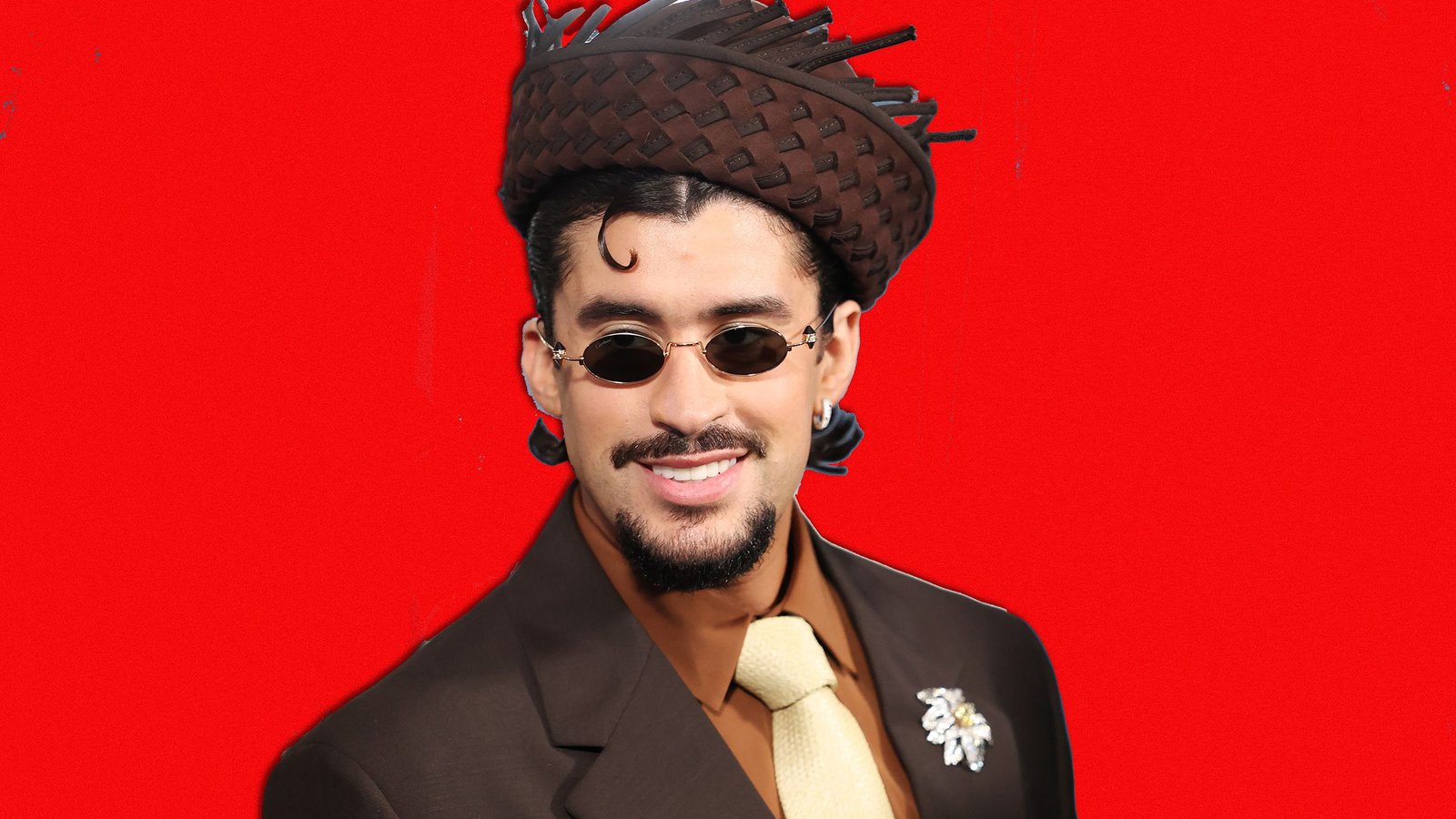
The NFL’s confirmation of Bad Bunny as the Super Bowl halftime headliner has ignited an immediate political firestorm, as Trump advisor Corey Lewandowski threatens ICE-led mass deportations during the event at Levi’s Stadium. Speaking to right-wing podcaster Benny Johnson, Lewandowski—an advisor to DHS Secretary Kristi Noem—declared that no venue would serve as a “safe haven” for undocumented immigrants. “We will find you. We will apprehend you. We will put you in a detention facility and we will deport you,” Lewandowski warned, signaling a hardline shift in federal enforcement strategy surrounding high-profile cultural gatherings.
Weaponized Outrage: The Right-Wing Backlash to Roc Nation’s Choice
Within hours of the NFL’s announcement, conservative influencers and digital strategists launched a coordinated critique of the Puerto Rican superstar. Benny Johnson labeled the artist a “massive Trump hater” and an “anti-ICE activist,” while Jack Posobiec targeted Jay-Z’s Roc Nation, accusing the production company of deliberate cultural “engineering.” The “End Wokeness” account, which commands an audience of 4 million followers, further escalated the rhetoric by using visual mockery to attack the artist’s gender-fluid fashion choices, positioning the performance as a direct provocation in the ongoing culture war.
The Political Identity of Benito Martinez Ocasio
The hostility directed at Bad Bunny transcends his musical output, rooting itself in his explicit rejection of traditional conservative norms. Unlike many contemporary stars, the artist has used his platform to challenge U.S. immigration policy directly. He previously avoided touring in the United States specifically to protect his fanbase from potential enforcement actions. In an interview with i-D magazine, he expressed profound concern that “fucking ICE could be outside” his concerts, a stance that effectively turned his performances into symbolic sanctuaries and his absence into an act of protest.
A Defender of Puerto Rican Sovereignty
Bad Bunny’s activism remains deeply intertwined with his Puerto Rican identity. He has consistently criticized the island’s status as an unincorporated territory and leveraged his massive economic influence to support the local economy—most notably through a 31-day residency that generated an estimated $400 million impact, according to Wells Fargo. His recent response to comedian Tony Hinchcliffe’s disparaging remarks at a Trump rally—a video celebrating the island’s resilience—underscores his refusal to dilute his cultural heritage. His art often serves as a vehicle for dissent; his “NUEVAYoL” music video notably featured a voice actor mimicking a presidential apology to immigrants.
The NFL’s Calculated Global Expansion
For the NFL, the selection of Bad Bunny is a strategic business maneuver designed to capture a younger, globalized, and predominantly Hispanic demographic. As the league’s traditional viewership ages, the artist—who dominated Spotify as the most-streamed creator from 2020 to 2022—offers an unparalleled bridge to new markets. This partnership with Roc Nation, established in 2019, aims to maintain cultural relevance by embracing artists who provoke conversation. This follows the 2024 performance by Kendrick Lamar, which utilized sharp social critique to address American racism, proving the league prioritizes cultural impact over safe, apolitical entertainment.
The Super Bowl as a National Identity Battleground
The current controversy confirms that the Super Bowl has transitioned from a sporting event into a referendum on American identity. By choosing an artist who sings in Spanish and openly critiques federal policy, the NFL has challenged the boundaries of the traditional American stage. Bad Bunny himself viewed the opportunity as a victory for his community, stating, “It’s for those who came before me and ran countless yards so I could come in and score a touchdown… this is for my people, my culture, and our history.”
Regardless of the specifics of the performance on February 8, the announcement has already exposed the deep ideological fault lines within the United States. Bad Bunny’s presence at the center of the American cultural empire signifies a shift where national rituals no longer adhere to a singular narrative, but instead reflect a multi-faceted and politically charged reality.