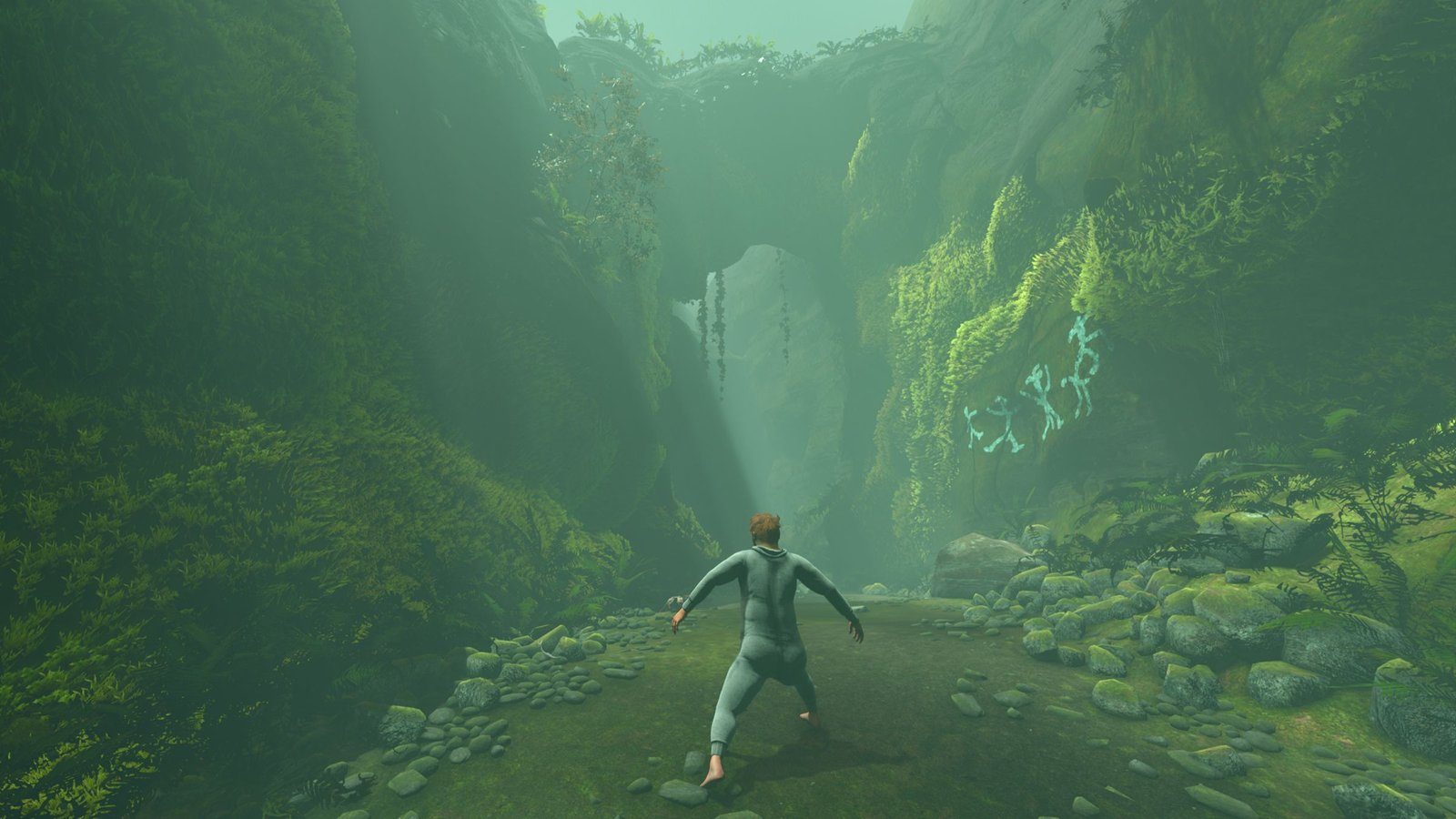

Jon Erwin, the showrunner behind Amazon’s faith-based epic House of David, has significantly escalated the use of generative technology, deploying between 350 and 400 AI-generated shots for the series’ second season. This strategic move represents a fourfold increase from the 70 AI shots used in Season 1, as Erwin’s production company, The Wonder Project, seeks to achieve “Game of Thrones” levels of scale on a fraction of the traditional visual effects (VFX) budget.
Scaling the Biblical Epic: From 70 to 400 AI Shots
The second season of House of David, which follows the rise of King David in 1000 BCE, utilizes AI to construct vast desert battlefields, stone fortresses, and atmospheric landscapes. Erwin asserts that the financial barrier to entry for high-scale cinematography has vanished. “The cost of augmenting those shots is minuscule compared to the time and cost it would have been to generate those with traditional VFX methods,” Erwin stated, highlighting a shift toward “virtually” rendered environments that obscure the lines between physical sets and digital assets.
The “Puppet Master” Approach to Digital Cinematography
Erwin rejects the notion that AI replaces the creative soul of filmmaking, instead framing it as a sophisticated tool for directors. He describes the integration of real-world performances into digital environments as a form of high-tech puppetry. By placing a physical camera on a live actor, the director maintains control over the human element, while the AI constructs the surrounding world. This method allowed the production to depict massive crowds, ravaging hillside fires, and fog-drenched mountain peaks that would typically require thousands of extras and multimillion-dollar location shoots.
A Stacked Technical Workflow
To achieve these results, the production team didn’t rely on a single software solution. Instead, they employed a “stack” of 10 to 15 core tools. Key technologies included:
- Runway: Utilized for “image-to-video” generation to bring static concepts to life.
- Luma: Employed for complex “modification” features within existing frames.
- Google and Adobe: Integrated for various up-res and image generation tasks.
Hollywood’s Great Divide: Visionaries vs. The Machine
While Erwin champions AI as “magical,” his stance stands in stark contrast to industry heavyweights who view the technology as an existential threat. Oscar-winning director Guillermo del Toro recently criticized the “arrogance” of tech-driven filmmaking, while actress Justine Bateman argues that AI serves only to pad CEO profit margins rather than solving genuine creative problems. Bateman, who founded the CREDO23 film festival to showcase AI-free productions, notes that the industry currently suffers from a job shortage, not a lack of human talent.
Labor Concerns and the Economic Reality
The labor implications of this shift remain a flashpoint for unions. Duncan Crabtree-Ireland, national executive director of SAG-AFTRA, confirmed that while major studios are taking a “cautious approach” to avoid consumer backlash, digital replication is steadily evolving. Although the union negotiated protections for AI likenesses in 2023, the use of AI to expedite background environments and editing—as seen in House of David—falls into a complex grey area of production efficiency versus artistic integrity.
Audience Acceptance and the Future of Faith-Based Media
Despite critical pushback—with Variety’s Alison Herman labeling the effects “hokey”—the target audience appears largely indifferent to the technical origin of the visuals. The Wonder Project reports selling over 500,000 subscriptions in just three weeks via its Amazon Prime subscription channel. As faith-based media continues to embrace AI—from chatbots to automated sermon writing—Erwin remains adamant that the technology is an unstoppable frontier. For the millions watching at home, the AI shots often flash by unnoticed, blending into the background of a production process that is rapidly becoming the new industry standard.