Toronto’s Tinglesbar ASMR Spa & Collective is redefining modern wellness by transforming viral digital triggers into immersive, real-life sensory experiences. Located in Canada, this pioneering establishment invites adults to shed their professional personas and step into meticulously crafted role-playing scenarios—ranging from elementary school lice checks to mystical fairy encounters—all designed to induce the “brain massage” known as Autonomous Sensory Meridian Response (ASMR).
The Science of Tingles: Beyond the Screen
ASMR, a term coined in 2010, describes the tingling sensation that typically begins on the scalp and moves down the spine in response to specific auditory or visual stimuli. While billions of viewers consume ASMR content on platforms like YouTube and TikTok to combat insomnia and anxiety, Tinglesbar founder Tammy Lung recognized a void in the physical market. Having used ASMR to navigate university stress, Lung envisioned a space where the isolation of digital consumption could be replaced by the warmth of human touch and shared nostalgia.
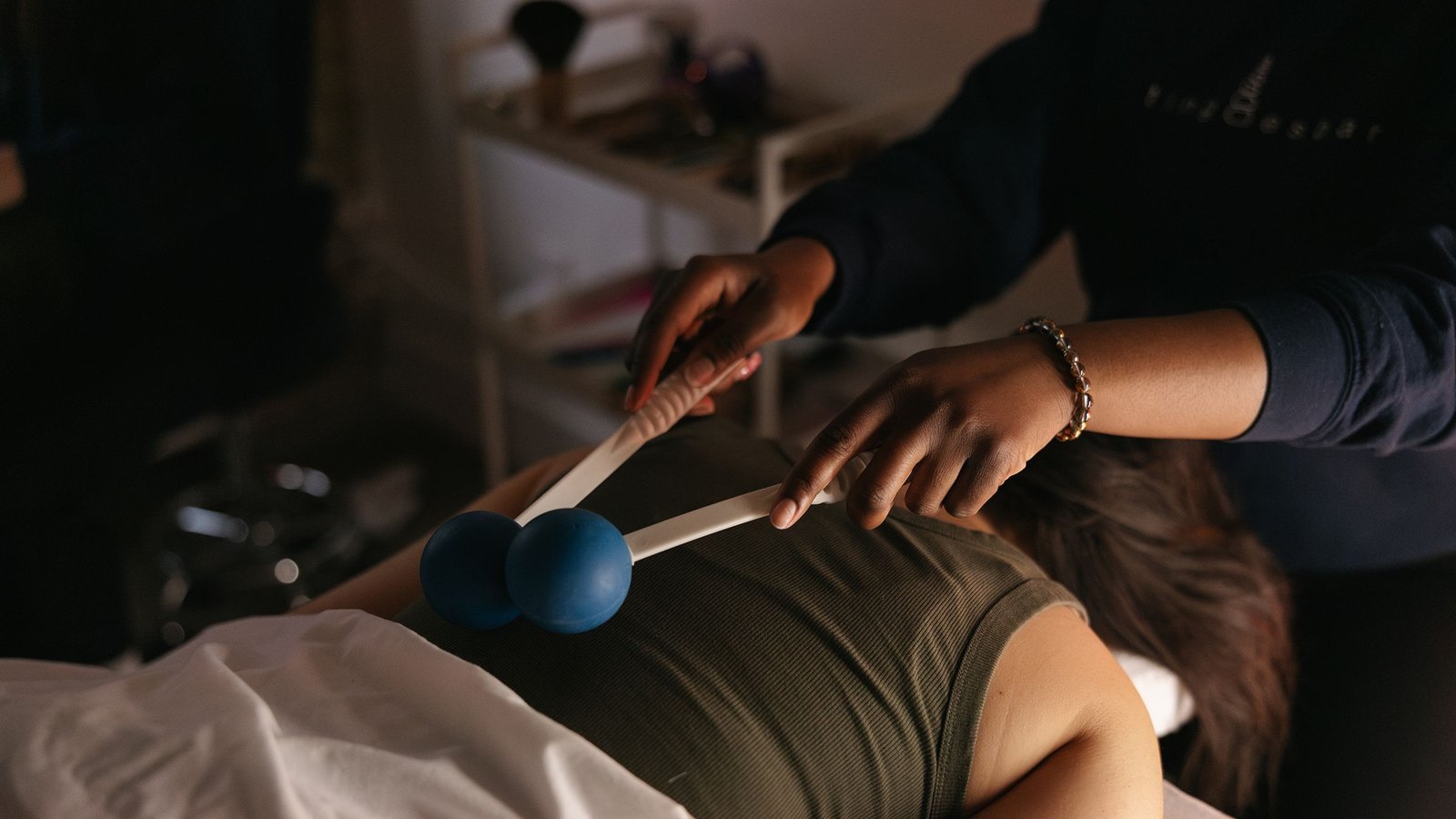
The spa’s offerings are diverse, catering to a wide array of “triggers.” While some clients prefer the rhythmic sounds of tapping or slicing, others find solace in the “personal attention” genre. Solo sessions at Tinglesbar start at CAD$139, with role-playing add-ons priced at $50, while group sessions range from $25 to $75. These experiences aim to break down the emotional walls of modern adulthood through what Lung describes as a return to “simpler, gentler times.”
From Lice Checks to Wizardry: The Power of Role-Play
The “Fifth Grade” group experience exemplifies the spa’s unconventional approach. Participants are required to stow their smartphones, immediately severing the digital tether to their adult responsibilities. The environment is curated with surgical precision: the scent of art supplies, the rustle of brown paper bags containing nostalgic snacks like Goldfish crackers, and the soft-spoken guidance of “teachers” who facilitate the transition back to childhood.
The centerpiece of this specific simulation is the simulated lice check. Using metal sticks and fine-toothed combs, practitioners simulate the clinical yet intimate scalp examinations common in early 2000s elementary schools. For participants like Larissa Jhessin, a college student balancing full-time work, the experience is a vital stress-management tool. Despite initial skepticism from newcomers, the physical sensation of hair brushing and whispering often converts cynics into believers, fostering a unique bond among strangers through shared vulnerability.
A Sanctuary for the Modern Introvert
Beyond the sensory benefits, Tinglesbar serves as a social experiment for an increasingly disconnected era. Milan Seki, founder of the Toronto-based group Invisible Strangers, notes that the role-playing element provides a necessary “buffer” for social interaction. By engaging in a collective activity—such as decorating canvas pencil cases—introverts can find companionship without the high-pressure environment of traditional social settings.
The Business of Care: Why We Crave Childhood Comfort
The success of Tinglesbar reflects a broader cultural shift toward “nostalgia therapy.” The menu of services includes a Harry Potter-themed “un-petrifying” session, a 1940s beauty salon experience, and medical simulations that blend gentle examinations with reassuring dialogue. These scenarios provide the “care and comfort” that many adults find lacking in their daily lives.
As AI companions and digital-only interactions become the norm, the physical reality of a practitioner gently brushing one’s hair offers a profound sense of humanity. Whether it is the rhythmic pop of a lipstick canister or the soft “scritch” of a pencil on paper, these tactile moments offer more than just relaxation; they provide a sanctuary from the noise of the digital age, proving that even the most guarded adults still crave the simple comfort of being looked after.