
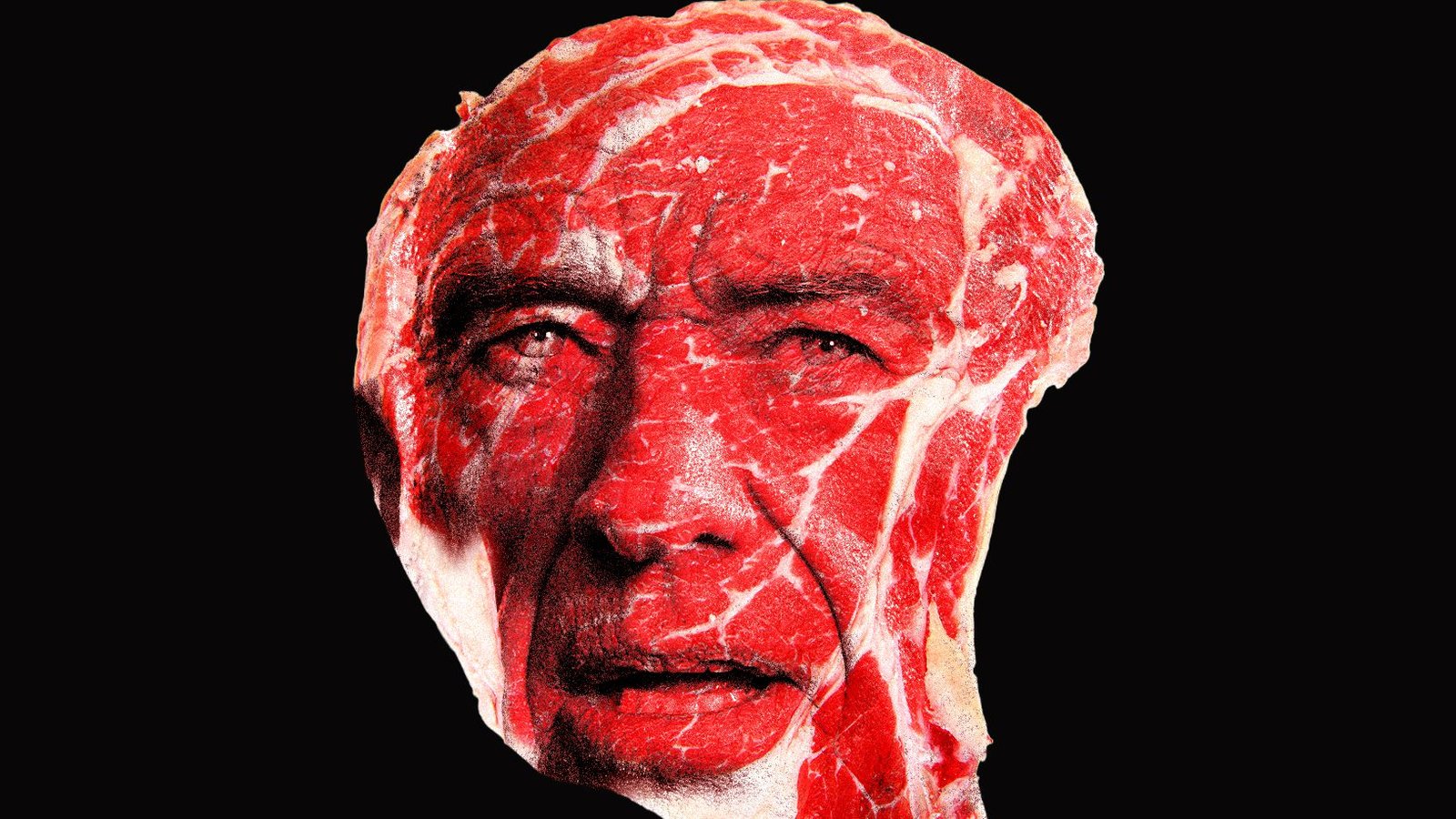
Robert F. Kennedy Jr. overhauled federal nutrition policy this January, introducing 2025-2030 Dietary Guidelines that prioritize animal protein at every meal—a move critics label a political maneuver rather than a scientific necessity. Announced via the White House’s official channels, the new framework shifts the focus of programs like SNAP and school lunches toward saturated fats and animal-based diets, asserting that previous administrations “wrongly discouraged” these food groups.
A Radical Shift in Dietary Consensus
The updated guidelines represent a polarizing mix of health advocacy and scientific defiance. While dietary experts and organizations like the American Heart Association welcome the administration’s aggressive stance against ultra-processed foods and added sugars, other recommendations break sharply from established research. Specifically, the promotion of saturated fats found in beef tallow, butter, and whole milk contradicts decades of nutritional guidance aimed at reducing cardiovascular risks.
Kennedy, a leading figure in the “Make America Healthy Again” (MAHA) movement, framed the policy shift as a liberation of the American plate. “Today the lies stop,” Kennedy declared during the January 7 announcement. He argued that protein and healthy fats are essential components that federal authorities previously suppressed, despite data suggesting otherwise.
The Myth of the Protein Deficit
The administration’s narrative of a “war on protein” clashes with current consumption statistics. Market data reveals that Americans are currently obsessed with protein, with consumption levels reaching all-time highs. Medical records further indicate that protein deficiency is virtually nonexistent in the United States, suggesting the “war” Kennedy claims to be ending was won by the industry decades ago.
“Most American men are eating twice as much protein as they need, even under the new guidelines,” explains Samantha King, director of sociocultural studies of sport, health, and the body at Queen’s University. King notes that women also consistently exceed recommended intake levels, fueled by a multi-billion dollar marketing machine that equates high protein with general wellness.
Masculinity as a Political Brand
Analysts suggest the emphasis on animal protein serves a broader cultural agenda within the MAGA movement, which has increasingly linked physical fitness and “warrior culture” to its political identity. This strategy was visible in the “Pete and Bobby Fitness Challenge,” where Kennedy and Defense Secretary Pete Hegseth showcased their physical prowess online.
The Pentagon and the “Fat General” Critique
Hegseth extended this focus to the military, convening an unprecedented meeting at Quantico to criticize grooming and fitness standards. “It’s completely unacceptable to see fat generals and admirals in the halls of the Pentagon,” Hegseth told hundreds of high-ranking officers, signaling that the administration views physical aesthetics as a benchmark for professional competence.
UFC Alliances and the Young Male Vote
President Trump has further cemented this “aspirational masculinity” through his partnership with UFC CEO Dana White. By appearing at mixed martial arts events, Trump positioned himself alongside fit, high-agency men, a move that helped him capture the young male vote by a nearly 30-point margin in the 2024 election. The administration plans to continue this trend by hosting a UFC cage fight at the White House this June as part of the nation’s 250th-anniversary celebrations.
Gender Roles and the “Carnivore” Influence
The focus on red meat and whole milk taps into deep-seated cultural perceptions. Charlotte Biltekoff, a professor at the University of California, Davis, notes a long-standing association between men and “meat, fire, and outdoor cooking,” contrasted with the “lighter” foods traditionally marketed to women.
This policy direction also mirrors trends popularized by right-wing influencers. Figures like Jordan Peterson have long promoted all-beef “carnivore” diets, while others like “The Liver King” advocated for raw organ consumption before admitting to steroid use. These influencers paved the way for a political environment where raw steak is viewed as a symbol of toughness and aggression.
Market Exploitation of the Protein Craze
The private sector has moved quickly to capitalize on this government-sanctioned protein obsession. From Starbucks introducing protein-infused cold foam to Chipotle launching “high protein” cups of chicken, the food and beverage industry is rebranding basic nutrition as a performance-enhancing lifestyle. Experts warn, however, that excessive protein consumption carries its own set of health risks, often overlooked in the rush to embrace the latest dietary trend.
Ultimately, the “war on protein” narrative appears to be an exercise in political optics. By positioning themselves as the defenders of the American steak, the administration seeks to project an image of strength and traditionalism, regardless of whether the science—or the American appetite—actually requires it.