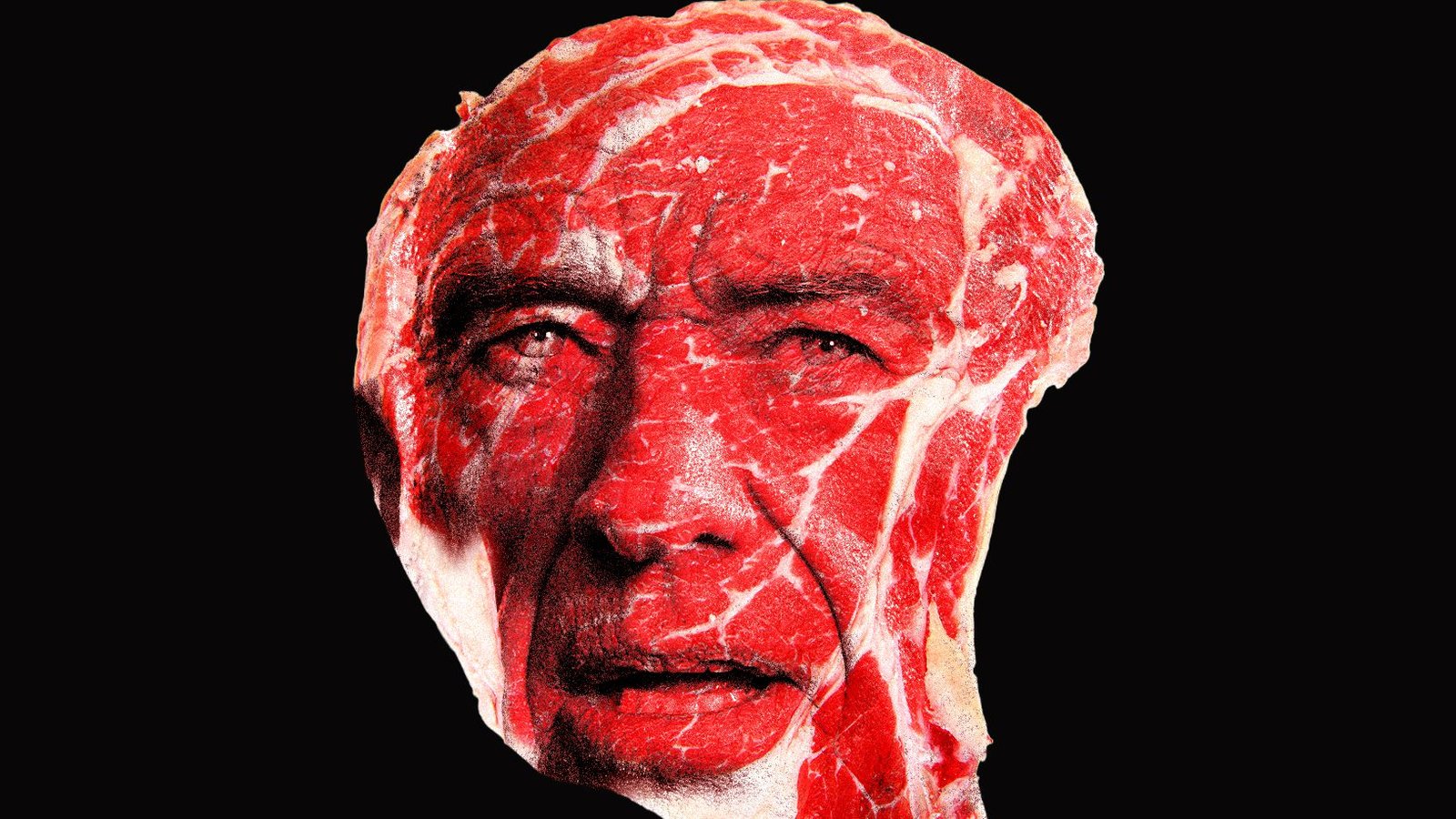

Digital discourse is undergoing a radical linguistic shift as “incel” terminology—once confined to the darkest corners of the manosphere—mutates into mainstream slang used by millions across social media platforms like TikTok and X. This linguistic takeover, characterized by suffixes like “-maxxing” and terms like “mogging,” represents more than just a fleeting trend; it signals the assimilation of a deeply transactional and often dehumanizing worldview into the global vernacular.
The Viral Mutation of ‘Maxxing’ and ‘Mogging’
The suffix “-maxxing” has become an inescapable linguistic virus. Originally derived from “looksmaxxing”—a term coined in niche forums to describe the obsessive optimization of physical attractiveness—the construction now applies to nearly every facet of life. Whether it is “moneymaxxing” to increase wealth or “jestermaxxing” to use humor as a social tool, the terminology reflects an underlying philosophy: that human interaction is a series of metrics to be gamed for maximum efficiency. This logic mirrors the “min-maxing” strategies found in role-playing games, reducing complex social dynamics to a cutthroat competition for status.
Slang, regardless of its origins, inherently breaks containment. Much like the term “woke” migrated from African American Vernacular English to become a catch-all pejorative in modern culture wars, incel jargon has escaped its original silos. What began as in-group codespeak meant to baffle outsiders has been recontextualized by the broader internet, turning specialized grievances into common catchphrases.
From Gamergate to the ‘PSL’ Community
The roots of this lexicon trace back to the mid-2010s, following the Gamergate harassment campaign which exposed a vein of reactionary anger within digital spaces. This period birthed the “PSL” community—an acronym for the forums PUAHate, SlutHate, and Lookism. While most of these hubs collapsed under the weight of their own toxicity, Lookism survived, fostering a culture where men obsessively critique each other’s bone structure and masculine traits. It is from these forums that the “Darwinian” vision of dating emerged, viewing the search for a partner as a strictly hierarchical marketplace where “Chads” and “Gigachads” dominate while others are relegated to “involuntary celibacy.”
The Darwinian Logic of the Digital Marketplace
This subculture introduced a specialized glossary designed to insulate its members while repelling outsiders. Terms like “AMOG” (Alpha Male of the Group) evolved into “mogging,” a verb describing the act of physically or socially eclipsing a rival. The language escalated into increasingly extreme territory, including “bonesmashing”—the dangerous practice of hitting one’s jaw with a hammer to induce micro-fractures and promote bone growth. What began as a desperate attempt at self-improvement in toxic forums has now been adopted by “normies” as a form of ironic performance, stripping the words of their immediate threat while retaining their competitive essence.
The Rise of the ‘Incel-ebrity’: Clavicular and the New Vanguard
The mainstreaming of this jargon has been accelerated by the rise of “incel-ebrities” like Braden Peters, known online as Clavicular. A 20-year-old streamer who openly discusses steroid use and peddles sexist clichés, Peters has turned the incel lexicon into a profitable brand. Through his $49 “academy,” he promises young men the chance to “ascend” or transform into their most attractive selves. His content, often featuring captions about being “frame mogged” or “jestergooning,” reaches millions of viewers who view his persona as a form of “edgelord” entertainment rather than a symptom of a broader, more noxious ideology.
Peters represents a clear sign of the subculture’s potency: he is an aspirational figure who, despite having access to women, utilizes the rhetoric of those who do not. His “Clavicular saga” has created an artificial phenomenon that forces mainstream engagement with concepts that would traditionally be ignored, such as “Chad leaderboards” and anime-style social hierarchies.
The Dangerous Normalization of a Dehumanizing Lexicon
The danger of this linguistic shift lies in its ability to mask bitter contempt with absurdity. While the general public may use “lawmogged” or “tariffmaxxing” as a joke, these terms carry the DNA of a community that encourages the “black pill”—the total abandonment of hope and the embrace of nihilistic despair. By adopting this vocabulary, the “irony-poisoned” commentariat inadvertently accepts the conditions of the subculture that created it. Whether this is a temporary fascination or a permanent shift in how we perceive human value, the established vernacular has been effectively “wordmogged” by the very fringes it once sought to ignore.