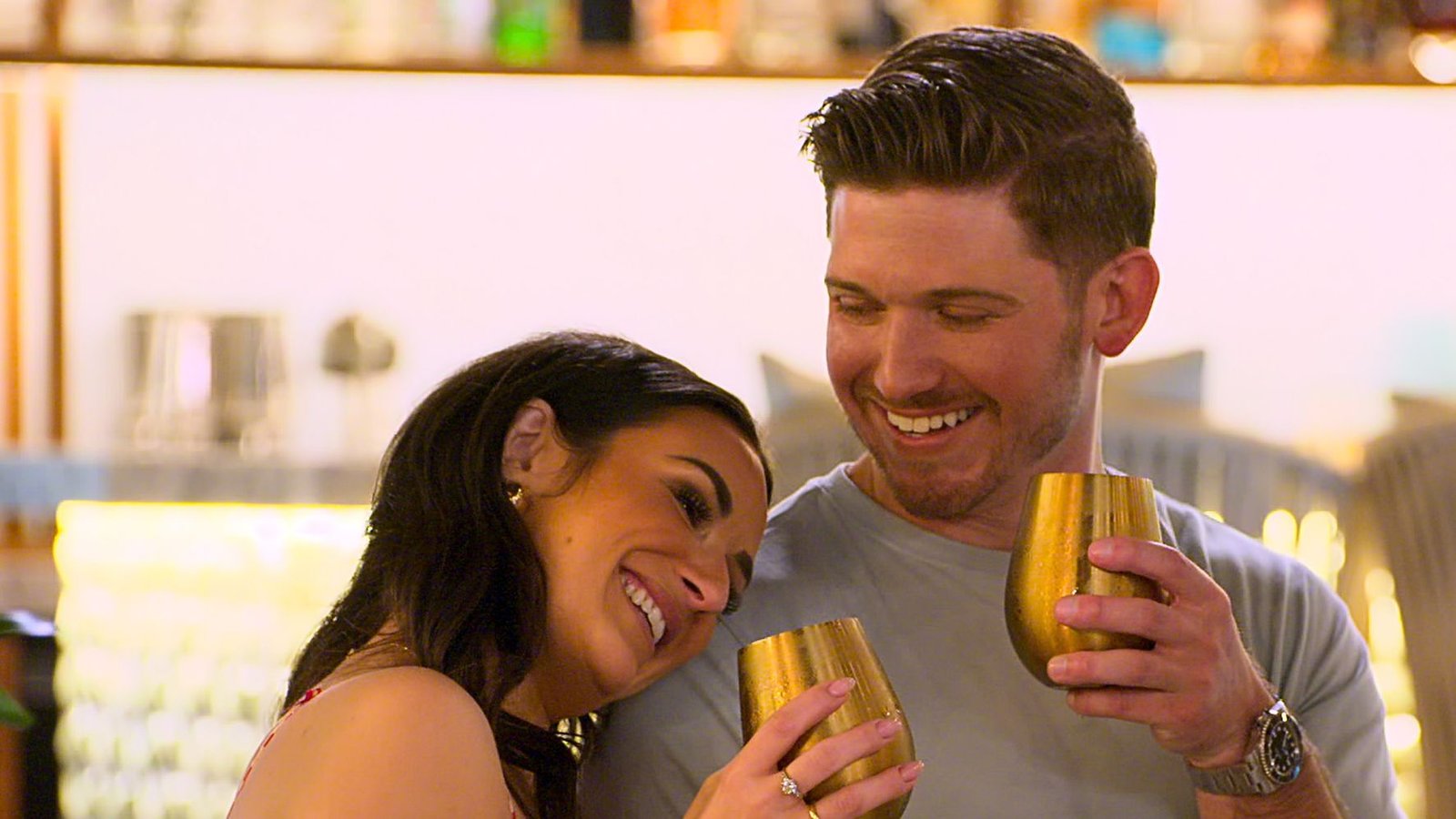
Netflix’s Love Is Blind has transformed from a romantic social experiment into a platform for “manosphere” ideologies, as recent seasons feature male contestants who prioritize dominance and traditionalist resentment. While the show’s early iterations captivated audiences with the “sight unseen” premise—highlighted by Lauren and Cameron’s groundbreaking interracial connection—the latest installments, including the current Ohio-based Season 10, reveal a troubling pivot toward misogyny and body-shaming.
From Social Experiment to Ideological Battleground
What began as a format designed to bypass superficial distractions now frequently subjects female participants to men who appear radicalized by “red pill” online communities. These contestants often struggle with emotional regulation, display discomfort with their partners’ professional success, and enforce rigid beauty standards. Despite the show’s original conceit of finding love through personality alone, the reality has shifted into a stark display of the growing gender war in modern dating.
Red Pill Rhetoric and the Rise of the ‘Tate’ Archetype
The current season highlights this shift through contestants like 33-year-old account executive Chris Fusco. Fusco voluntarily compares himself to controversial influencer Andrew Tate and has been filmed demeaning fellow male cast members for perceived submissiveness. His interactions with Dr. Jessica Barrett, his fiancée, underscore this friction; despite Barrett’s status as a physician with a multi-bedroom home, Fusco criticized her for not adhering to a daily Pilates regimen. He explicitly stated his indifference toward her career or wealth, focusing instead on a lack of sexual chemistry while simultaneously pressuring other female contestants to seek “dominant” men like himself.
This fixation on Pilates and fitness often aligns with conservative beauty standards. As some cultural critics and social media creators suggest, the “stay-at-home Pilates wife” trope reinforces the idea that women should prioritize physical maintenance and domesticity over professional ambition.
Traditionalism and the Erasure of Female Ambition
The production, handled by Kinetic Content, increasingly mirrors conservative ideals such as “trad-wife” dynamics and divorce shaming. Alex Henderson, a 31-year-old crypto trader with no stable employment, exemplified this by expecting his fiancée, Ashley Carpenter, to abandon her career path and relocate to Arizona or Florida. During family meetings, Carpenter’s father—described as a “patriarch”—dominated the conversation, while Henderson reduced his fiancée’s value to her physical appearance.
Similarly, the show’s handling of personal vulnerability has drawn criticism. When 28-year-old Emma Betsinger shared the emotional weight of surgical scars from birthmarks, her partner, Steven Sunday, responded with invasive questions about her sexual history rather than empathy. Despite Betsinger’s health-related hesitations regarding pregnancy, the men she encountered consistently prioritized their own desires for a traditional family unit over her autonomy.
The Emotional Maturity Gap in Modern Dating
Relationship strategist Damona Hoffman, author of F the Fairy Tale, argues that these casting dynamics reflect a broader societal fracture exacerbated by the pandemic. Hoffman notes that while many women utilized isolation to focus on mental health and self-care, many men became further entrenched in online communities that amplify misogynistic beliefs. This has resulted in a widening “emotional maturity gap,” where women struggle to find partners with comparable levels of self-awareness.
This friction frequently manifests as male insecurity regarding female achievement. In previous seasons, such as the Denver-based cycle, Jordan Keltner’s inability to process Megan Walerius’ wealth led to their breakup. These interactions suggest a growing resentment among men toward women who are narrowing the pay gap or outpacing them in educational attainment.
A Mirror to a Fractured Dating Landscape
While the “male loneliness epidemic” remains a frequent talking point, research suggests a different reality for women. A study published in the journal Social Psychological and Personality Science in October 2024 found that single women are generally happier than single men. Love Is Blind serves as a high-definition mirror to these modern dynamics, revealing a landscape where female ambition is often met with a demand for submission. Ultimately, the show highlights a grim reality: the “blind” part of the experiment often prevents women from seeing ideological red flags until it is too far gone.