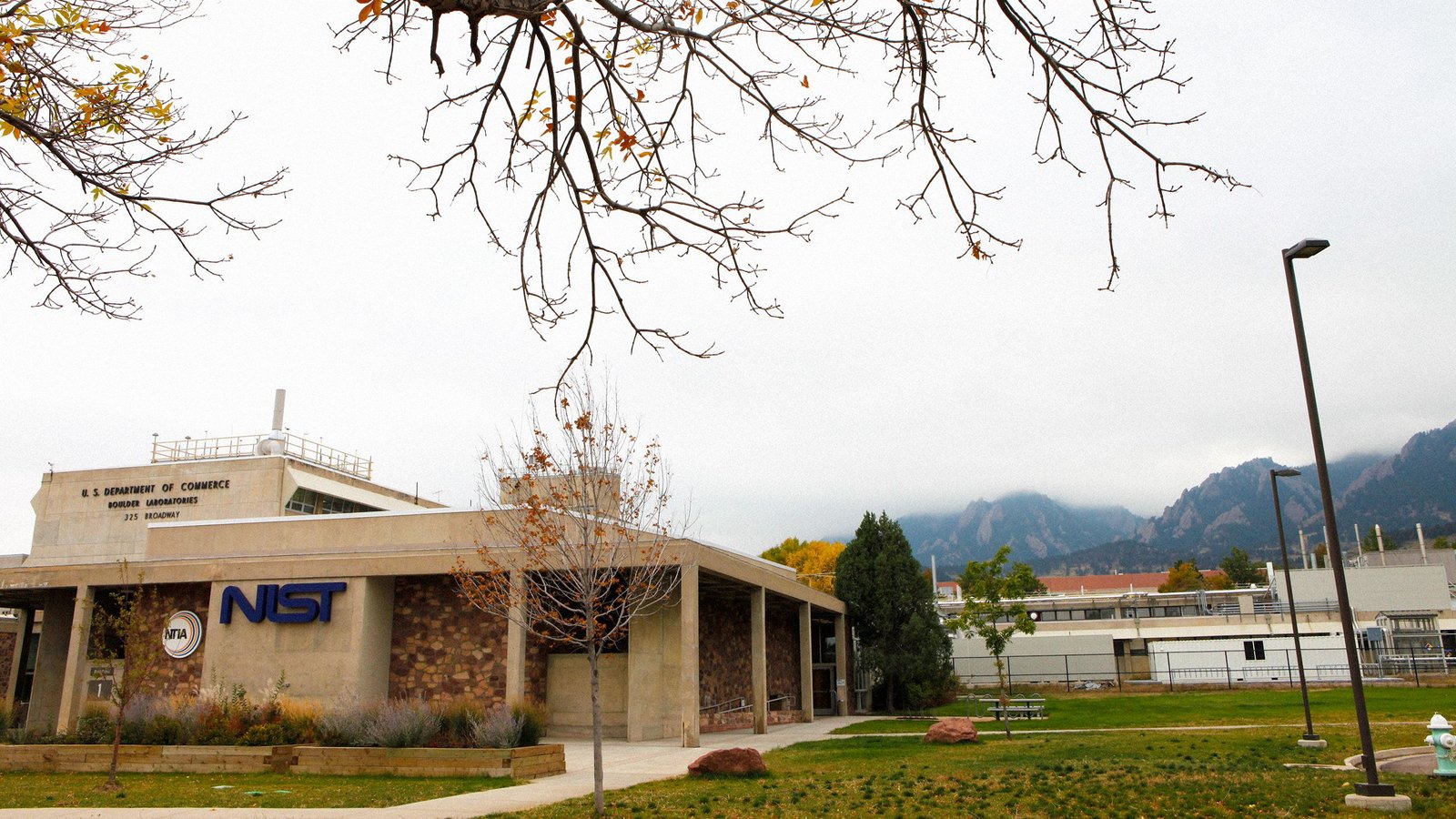
The Trump administration has initiated restrictive measures to limit foreign-born scientists’ participation at the National Institute of Standards and Technology (NIST), sparking concerns that a “brain drain” will undermine American leadership in artificial intelligence and semiconductor standards. Representative Zoe Lofgren, the ranking Democrat on the House Committee on Science, Space, and Technology, formally challenged acting NIST director Craig Burkhardt on Thursday, demanding clarity on rumored “draconian” protocols that have already begun disrupting research operations.
Lawmakers Demand Transparency Amidst “Draconian” Policy Shifts
In a joint letter with Representative April McClain Delaney, Lofgren asserted that the administration has actively moved to truncate the contributions of international researchers. This congressional intervention follows reports that the Department of Commerce is enforcing new security hurdles without providing clear guidance to agency staff. The lawmakers have set a February 26 deadline for NIST to provide full transparency, calling for a moratorium on these changes until Congress evaluates their necessity and impact on national security.
New Protocols Threaten Specialized Research Timelines
Internal shifts at the agency suggest a fundamental change in how the U.S. leverages global expertise. Recent reports indicate that international graduate students and postdoctoral researchers may now face a strict three-year residency limit at NIST. This cap creates a significant logistical hurdle, as many complex scientific projects in cybersecurity and hardware metrology require five to seven years to reach completion. Furthermore, uncertainty surrounding these security protocols has already forced the cancellation of several recruitments under the agency’s Professional Research and Experience Program (PREP).
Security Restrictions Erode Lab Access and Collaboration
The tightening of regulations extends beyond administrative paperwork to physical site security. Reports confirm that non-citizen researchers recently lost after-hours access to NIST facilities, with a potential total ban on the horizon. While NIST spokesperson Jennifer Huergo maintains that these updates aim to protect American intellectual property from theft and foreign adversaries, agency insiders suggest the Department of Commerce originally advocated for an even broader prohibition on all foreign nationals. NIST leadership is reportedly attempting to negotiate more flexible exemptions to retain essential personnel.
Risks to Global Competitiveness and Institutional Trust
The potential exodus of talent arrives as NIST faces significant internal turmoil. The agency, which historically hosts an average of 800 international researchers annually, has already seen its workforce shrink due to budget cuts and pressures from the Department of Government Efficiency (DOGE). Pat Gallagher, who led NIST from 2009 to 2013, warned that these policies risk dismantling the agency’s “scientific credibility.” Gallagher emphasized that the global measurement and tech communities rely on NIST specifically because it has functioned as an open, collaborative environment for the world’s “best and brightest.”
A Broader Crackdown on the US Tech Workforce
These NIST-specific restrictions align with a wider administration strategy that includes hiking H-1B visa fees, revoking student visas, and limiting post-graduation job training. Industry analysts warn that these cumulative actions may drive high-tier scientific talent to rival nations, effectively hampering the very economic growth the administration seeks to protect. For an agency responsible for the frameworks of future technologies, the loss of human capital could result in a permanent setback for American innovation.