The United States Supreme Court issued a landmark ruling on Friday invalidating the majority of President Donald Trump’s sweeping international tariffs, determining that the administration lacked the constitutional authority to impose such levies under the International Emergency Economic Powers Act (IEEPA). The decision effectively halts a central pillar of the administration’s “reciprocal” trade policy and triggers a massive logistical and financial challenge for the federal government.
Chief Justice Roberts Rejects Unprecedented Executive Overreach
Writing for the majority, Chief Justice John Roberts emphasized that the executive branch cannot unilaterally manufacture trade barriers without explicit legislative backing. The ruling specifically addressed the administration’s aggressive use of IEEPA to tax nearly every global trade partner, including high-profile instances such as the “reciprocal tariffs” enacted last April. Roberts noted the historical anomaly of the administration’s strategy, pointing out that in the half-century since IEEPA’s inception, no previous president had ever utilized the statute to implement tariffs of such “magnitude and scope.”
The court’s opinion clarifies that the President must identify “clear congressional authorization” before exercising such economic powers. While the majority stood firm against the volatile trade measures, Justices Clarence Thomas, Samuel Alito, and Brett Kavanaugh issued a dissenting opinion.
Trump Slams “Disgraceful” Ruling as White House Signals Backup Plan
The reaction from the Oval Office was immediate and sharp. During a scheduled breakfast with governors, President Trump reportedly characterized the Supreme Court’s decision as a “disgrace.” Despite the legal setback, the President signaled that his trade agenda is not over, claiming he has already developed a “backup plan” to maintain pressure on global markets. This defiance comes amid concerns from the business community regarding how the administration will pivot to bypass the court’s restrictions.
Sector-Specific Levies Remain Intact Amid Legal Chaos
It is important to note that the Supreme Court’s ruling is not a total repeal of the current trade regime. Tariffs on specific sectors—specifically steel, aluminum, and copper—remain in effect because they were established under different presidential authorities and statutory frameworks. However, the bulk of the general tariffs announced over the last two years are now legally void. Replacing these invalidated measures will not be an instantaneous process, as alternative trade policies typically require exhaustive investigations and adherence to strict procedural timelines.
Small Businesses and Global Giants Face Economic Uncertainty
The ruling has sent shockwaves through the private sector. Dan Anthony, executive director of the small business coalition We Pay the Tariffs, warned that a mere rebranding of the same policies would continue to harm American entrepreneurs. “Tariffs reimposed under different statutory approaches would have the same destructive effect,” Anthony stated, highlighting the fear that the administration might seek loopholes to maintain high costs for importers.
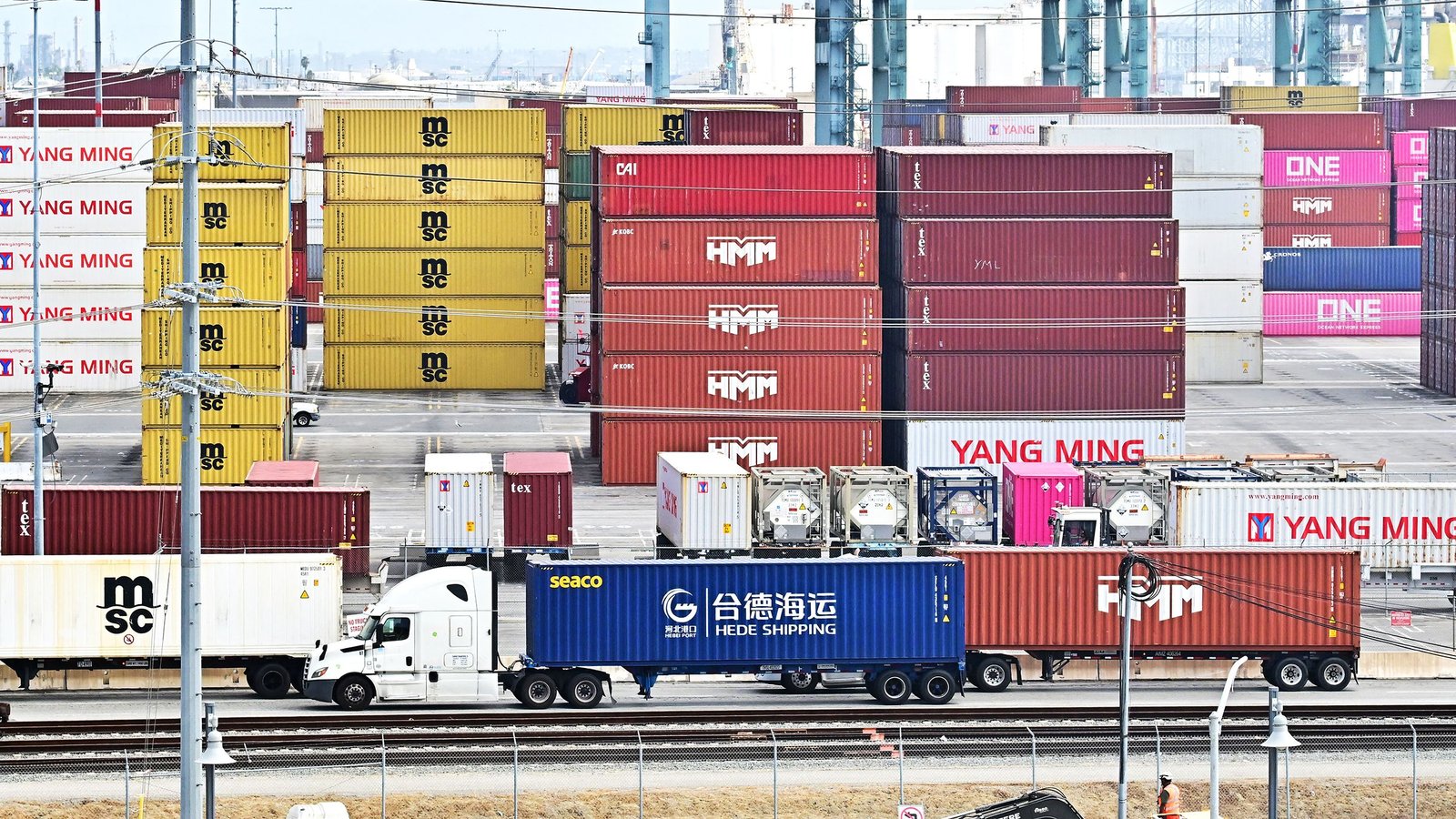
For major corporations, the ruling provides a legal pathway to recover staggering sums of money. Industry leaders including Costco, Prada, BYD, and Goodyear have already initiated litigation against the federal government to secure refunds. The financial stakes are historic; economists estimate that since February 2025, the government has collected upward of $175 billion under the now-illegal IEEPA policies.
The $175 Billion Refund Logistical Nightmare
President Trump previously acknowledged the complexity of this situation on Truth Social, describing the potential refund process as a “complete mess” that would be “almost impossible” for the nation to facilitate. The ruling now forces the Treasury to confront this reality. The financial sector has also been closely monitoring these legal developments. Cantor Fitzgerald, a firm led by the sons of Commerce Secretary Howard Lutnick, reportedly facilitated avenues for clients to hedge against the possibility of these tariffs being overturned, though a spokesperson for the firm clarified that they do not take direct positions in litigation claims involving the legality of U.S. tariffs.