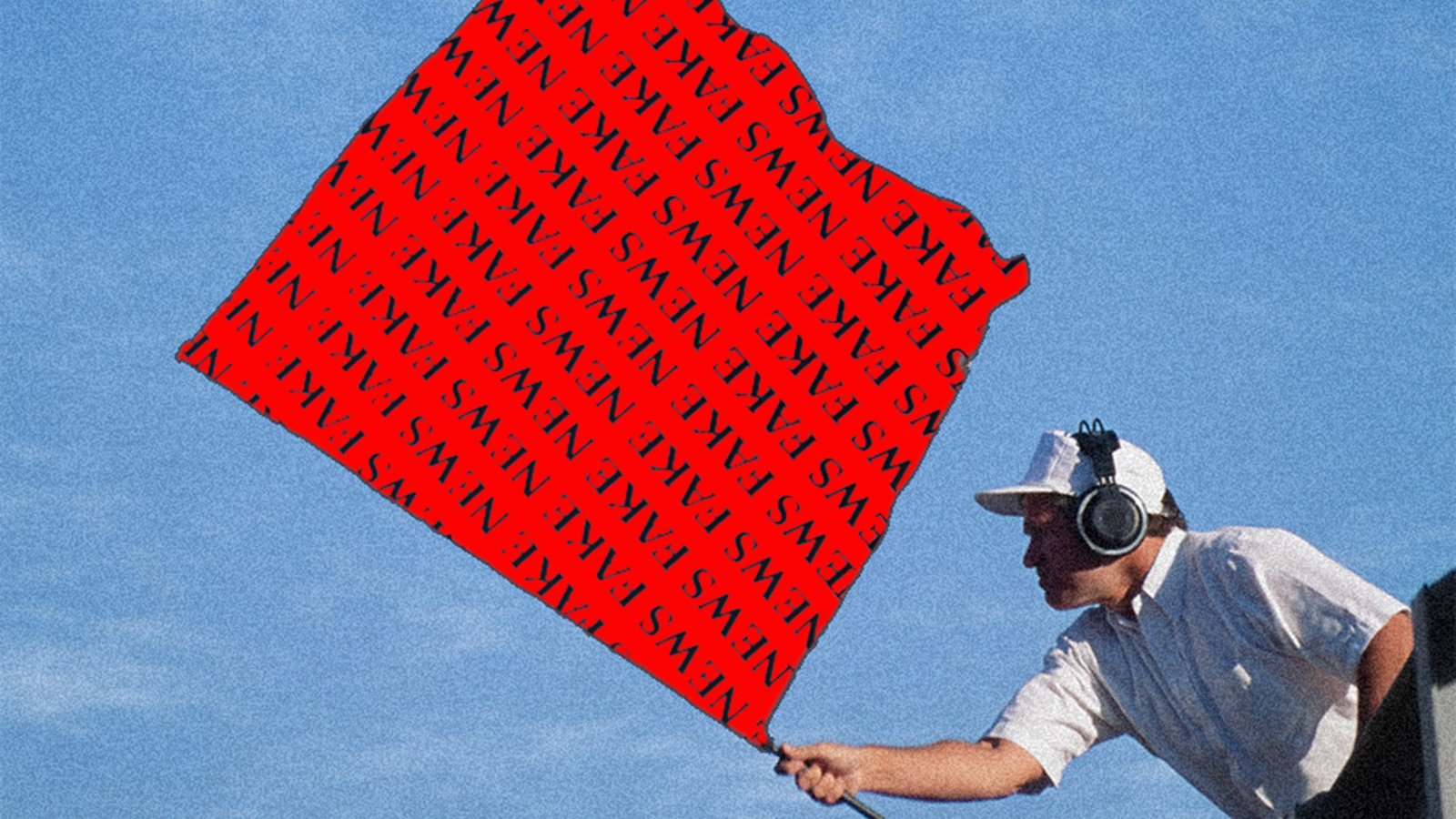
New research from the Institute for Strategic Dialogue (ISD) reveals that “false flag” conspiracy theories have reached an unprecedented saturation point on social media, with mentions on X skyrocketing by 1,100% over the last five years. This explosion in digital paranoia, shared exclusively with WIRED, indicates that online audiences now reflexively label almost every major news event—from natural disasters to political assassinations—as a staged distraction designed to manipulate the public.
Data Confirms a Massive Spike in Digital Disinformation
The volume of “false flag” rhetoric has shifted from the fringes to the mainstream at a staggering velocity. Between April 26 and June 26, 2025, ISD tracked over 1 million mentions of the term on X, representing a nearly 350% increase compared to the preceding two months. Valeria de la Fuente Suárez, a digital research analyst at ISD, notes that the speed and engagement levels of these posts are “unprecedented,” with relatively small accounts garnering millions of views in mere hours during periods of chaos and uncertainty.
From Historical Pretext to Modern-Day Weaponization
While the concept of a false flag operation has legitimate roots in military history—such as the 1939 incident where German soldiers staged a fake attack on a radio station to justify invading Poland—modern conspiracy theorists have hijacked this history to delegitimize current events. Today, high-profile tragedies like the Sandy Hook shooting, the September 11 attacks, and more recently, the attempted assassination of Donald Trump, are framed as elaborate “psyops.”
The Dehumanization of Victims
One of the most alarming consequences of this trend is the systematic dehumanization of those harmed in these events. De la Fuente Suárez warns that victims are no longer viewed as people suffering from violence, but as “elements of a grand staged plan.” This framework was evident following the shooting of Minnesota lawmaker Melissa Hortman’s husband and recent flooding in Texas and North Carolina, where users claimed the events were orchestrated to divert attention from the “Epstein files” or political scandals.
The Intersection of Antisemitism and Institutional Distrust
Antisemitic narratives frequently drive the most viral false-flag claims. Following a shooting at the Israeli embassy in Washington, D.C., and an attack on a march in Boulder, Colorado, viral posts viewed by millions falsely identified the perpetrators as “Israeli agents” or staged actors. These claims capitalize on a broader collapse in trust toward mainstream media and public institutions.
A Fractured Political Landscape
Experts point to a combination of factors fueling this fire: social media platforms abandoning fact-checking protocols and the rise of “news influencers” like Stew Peters, who bypass traditional editorial filters. Pradeep Krishnan, a communication expert at the University of St. Gallen, argues that the current political climate has mainstreamed conspiracist rhetoric to mobilize anti-establishment sentiment, making “false flag” the default response to any news that does not align with a specific ideological agenda.