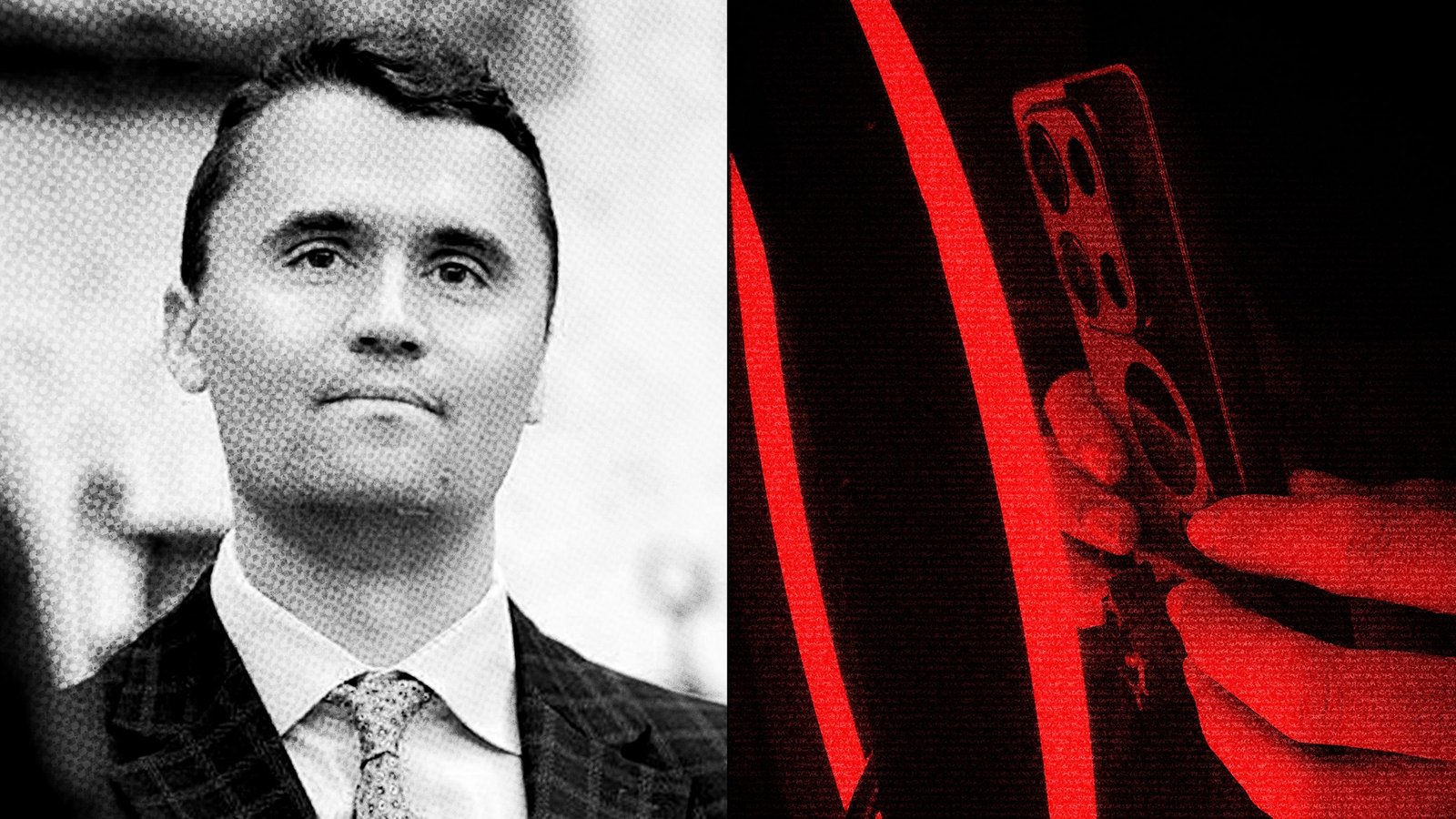
The fatal shooting of Charlie Kirk at Utah Valley University has triggered a seismic shift in the digital creator economy, forcing political influencers across the ideological spectrum to overhaul their personal security protocols while maintaining the relentless content schedules required for professional survival. As creators grapple with the transition of threats from digital vitriol to physical violence, the industry faces a critical reckoning: the very visibility required for their livelihood has become their greatest liability.
The Collapse of Public Safety for Digital Figures
Hasan Piker, a titan of progressive commentary, was scheduled to debate Kirk at Dartmouth University on September 25. The incident has now forced Piker to evaluate the inherent risks of his high-profile public appearances. “I go out to public settings like this all the time,” Piker informed his audience during a live broadcast as details of the killing emerged. While Piker maintains a philosophy of “not living in fear,” he admitted the necessity of reconfiguring his operational security to match the new reality of political engagement.
This sentiment resonates throughout the influencer community. For years, creators have dismissed targeted threats as an occupational hazard of the “online” world. However, the Orem tragedy has transformed abstract concerns into a concrete crisis. Creators are now fortifying their homes and scrutinizing every provocative message for signs of actionable intent.
A Systemic Failure in Proactive Protection
The security breach in Utah highlights a broader failure in how public figures are protected. During a post-incident press conference, Utah Valley University Police Chief Jeff Long acknowledged the limitations of the coordinated security detail. “You try to get your bases covered, and unfortunately today we didn’t,” Long stated, reflecting on the tragic outcome despite prior planning.
Chris Falkenberg, a former Secret Service agent and founder of Insite Risk Management, argues that the security industry is fundamentally reactive. “We do not do a good job in security of anticipating new types of attacks or new types of victims,” Falkenberg noted. He suggests that assailants consistently find “novel ways of attacking” or simply apply “old wine in new bottles” by targeting vulnerable locations and individuals who lack traditional institutional protection.
The Financial Dilemma: Comfort vs. Safety
For independent creators, security is not just a safety concern—it is a budgetary one. An anonymous Democratic creator, who frequently attends Trump rallies, revealed they are currently installing advanced security systems at their home and their parents’ residence. The decision followed a surge in death threats, including one graphic email labeling the creator a “cannibal” and promising a lethal encounter.
“We probably can’t do any events if we don’t have someone at least watching our shoulder,” the creator explained, highlighting the “freelance-heavy” nature of the industry where missing a public event can lead to lost sponsorships and diminished influence. The person behind the “Organizermemes” account echoed this, describing the current climate as a “someone might kill me tax” that creators must now factor into their operational costs.
Defiance in the Face of Doxing and Threats
Despite the heightened risks, many influencers are doubling down on their political output. Kimberly Hunt, a progressive TikToker with over 170,000 followers, reported being doxed and subsequently fired from her HR career after criticizing Kirk’s history of targeting marginalized groups. Rather than retreating, Hunt launched a GoFundMe—which has already raised nearly $70,000—to transition into full-time independent political content creation. “You didn’t shut me up. You just cleared my schedule,” Hunt declared.
On the opposite side of the aisle, conservative creator Cam Higby has launched a Georgia campus tour to debate in Kirk’s honor. While Higby remains tight-lipped about specific security measures to avoid potential breaches, he emphasized a refusal to back down. “We’re going to fearlessly defend our ideas,” Higby stated, signaling a commitment to maintaining a physical presence on campuses despite the tension.
The Algorithmic Weaponization of Misinformation
The danger is not limited to physical venues; it is being amplified by artificial intelligence. David Hogg, a gun-control activist and Parkland survivor, saw a spike in threats after Elon Musk’s AI chatbot, Grok, falsely suggested he resembled the suspect in the Kirk shooting based on CCTV images.
A spokesperson for Hogg’s organization, Leaders We Deserve, called the AI’s hallucination “unbelievable,” noting that having an automated agent of a major social platform spit out incorrect allegations adds a dangerous layer to an already volatile situation. For modern political influencers, the battle for safety is being fought simultaneously on the streets and within the algorithms that govern their visibility.