A scathing Senate investigation released Thursday reveals that Elon Musk’s Department of Government Efficiency (DOGE) operated as a “rogue entity” within the federal government, systematically seizing control of agency systems and bypassing security protocols without official oversight. The report, issued by the Senate Committee on Homeland Security and Governmental Affairs (HSGAC), details how DOGE operatives infiltrated key agencies, installed loyalists in high-ranking positions, and gained unrestricted access to the sensitive personal information of nearly every American citizen.
Armed Guards and Shadow Operations at Federal Agencies
Investigators from the HSGAC focused their probe on three primary targets of the DOGE incursion: the General Services Administration (GSA), the Office of Personnel Management (OPM), and the Social Security Administration (SSA). The findings describe a calculated pattern of displacement where career officials who questioned DOGE’s authority were forced out and replaced by DOGE-affiliated personnel, particularly in roles such as Chief Information Officer.
The report depicts a clandestine environment where DOGE representatives worked behind locked doors under armed guard. During an inspection of GSA offices, Senate staffers encountered rooms with windows obscured by black paper and tape. GSA officials claimed they lacked the keys to open these spaces, despite being the senior officers responsible for building security. Investigators were strictly forbidden from photographing these areas, which appeared to serve as the group’s primary technical command center.
Living Quarters and Muscle Milk: Inside the GSA Technical Hub
The investigation uncovered that federal office spaces were illegally converted into private living quarters. GSA officials admitted to purchasing furniture to outfit seven bedrooms for “intermittent sleeping,” including a makeshift bedroom located directly adjacent to the administrator’s suite. The administrator’s dining room had been transformed into a dormitory with unmade beds and hot plates.
In a workspace labeled for the “chief of staff,” investigators found a ping-pong table and a kitchen stocked with “Celsius energy drinks and Muscle Milk.” The operational heart of the office contained 10 workstations equipped with stacks of laptops—averaging eight to ten devices per person—and multiple cellphones. GSA leadership could not confirm the origin of these devices or provide a clear organizational chart explaining who the DOGE operatives reported to, vaguely labeling them as “GSA employees.”
The “Catastrophic” Risk to American Social Security Data
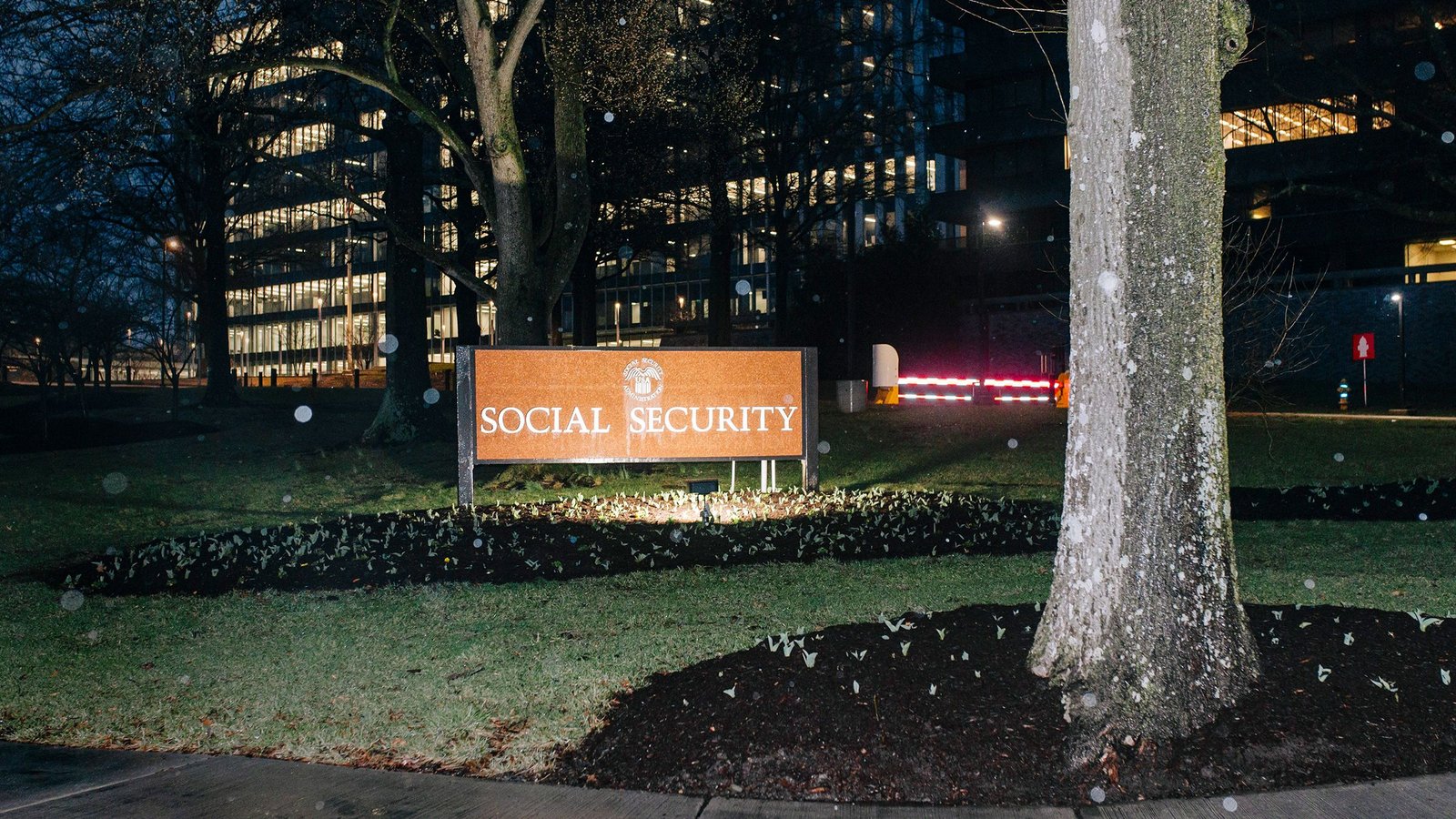
The most alarming findings center on the Social Security Administration, where DOGE affiliates reportedly gained access to the NUMIDENT database. This repository contains the Social Security numbers, birthplaces, and work permit statuses of all Americans. Whistleblowers allege that DOGE operatives moved this data into an unsecured cloud environment where they held the power to edit, delete, or potentially share information with private or foreign entities.
Internal risk assessments conducted by the SSA prior to this migration estimated the probability of a data breach with “catastrophic adverse effect” at between 35 and 65 percent. One whistleblower warned that in a worst-case scenario, the agency might be forced to re-issue Social Security numbers to the entire American population. Despite these risks, DOGE operatives continued to utilize live data free from agency supervision. The committee noted that adversarial nations, including Russia, China, and Iran, are “very likely” aware of this vulnerable cloud infrastructure.
Circumventing Cybersecurity with Starlink and AI
The report highlights aggressive efforts to bypass standard government cybersecurity. At the GSA, officials installed Starlink terminals—supplied by Musk’s satellite company—approximately one month after the inauguration. Internal staff warned that these terminals posed a significant security risk, potentially allowing DOGE to siphon data out of the agency. Investigators were physically blocked by GSA officials when they attempted to inspect the Starlink infrastructure and network diagrams.
Further attempts to evade oversight occurred at the OPM. A former employee testified that incoming leadership inquired about deploying an AI system in an “off-cloud” environment, specifically designed to minimize agency safeguards and oversight. While OPM spokespeople deny the existence of “DOGE teams,” claiming all personnel were standard agency employees, the Senate report argues that these individuals functioned outside the legal framework of the U.S. DOGE Service.
Demands for Immediate Termination of DOGE Activities
Senator Gary Peters, ranking member of the HSGAC, characterized the operation as a “shadow operation” that threatens national security and economic stability. “DOGE isn’t making government more efficient—it’s putting Americans’ sensitive information in the hands of completely unqualified and untrustworthy individuals,” Peters stated. He emphasized that the operation has bypassed essential cybersecurity protections and evaded all forms of traditional oversight.
The committee’s report concludes with an urgent demand for the Trump administration to terminate all DOGE activities immediately. It calls for the revocation of all access to personally identifiable information and mandates that the SSA shut down the unsecured cloud environment. As of now, the White House and GSA have not provided a formal response to the specific allegations of data mismanagement and illegal office occupancy.