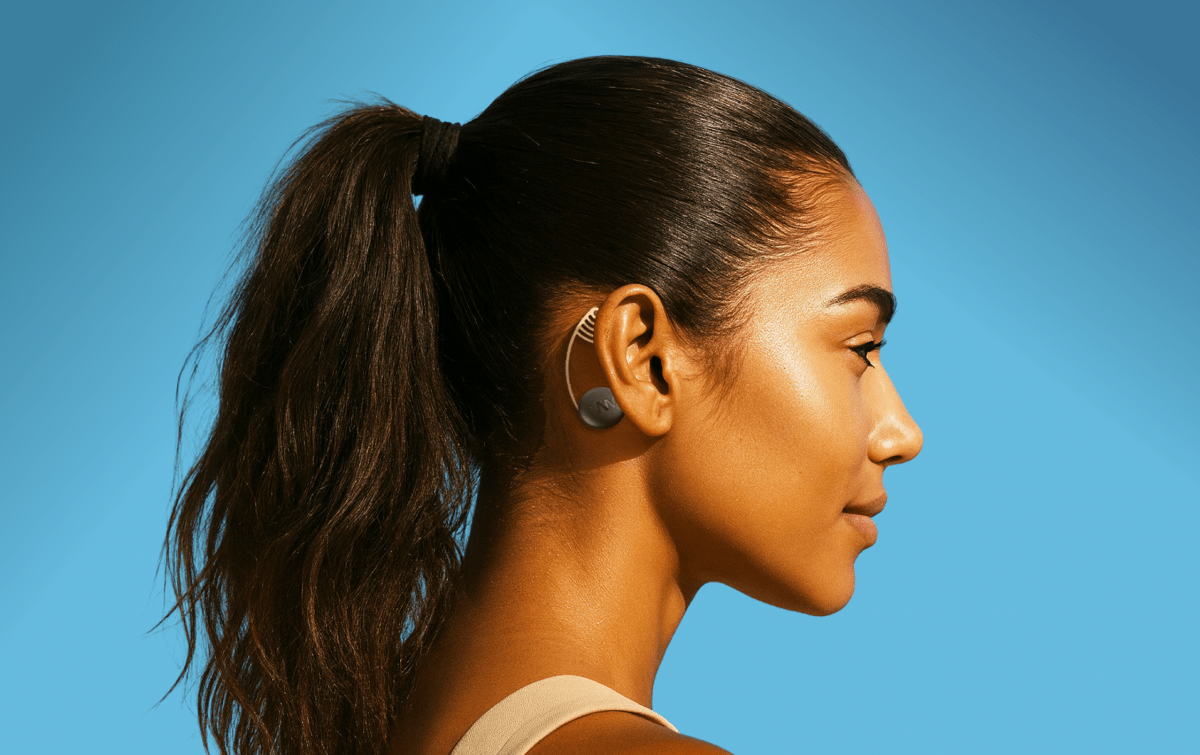
Neurotech startup Awear is transforming mental health management with a “Fitbit for the brain” designed to detect chronic stress and cognitive disorientation. Currently, Stanford University’s psychiatry department utilizes the hardware to identify postoperative confusion in elderly patients, though founder Forenza aims to pivot the technology toward a massive direct-to-consumer market, mirroring the success of the Oura ring.
Stanford Trials Validate Cognitive Monitoring Capabilities
While clinical applications at Stanford focus on the vulnerable elderly demographic, the underlying technology monitors neurological signals to provide actionable data. This dual-use approach allows Awear to bridge the gap between medical-grade diagnostics and daily wellness tracking, positioning the device as a critical tool for users navigating high-pressure environments.
Strategic Growth and Venture Capital Milestones
The company recently solidified its financial foundation by closing a pre-seed funding round. The investment saw participation from prominent backers, including Hustle Fund, Niremia Collective, Techstars, and The Pitch Fund. This capital injection serves as a strategic bridge to a projected $5 million seed round scheduled for early 2026.
Early Adopter Access and Market Expansion Strategy
Awear currently operates an exclusive early-access program, pricing the device at $195. This initial offering includes a complimentary lifetime app subscription, a strategy that has already attracted a significant cohort of high-stress startup founders seeking data-driven stress management. This demographic serves as a primary testing ground for the device’s efficacy in professional settings.
The Kickstarter Launchpad
Following the 2026 seed round, Awear plans to transition to a high-visibility Kickstarter campaign. Forenza noted that this trajectory follows the proven playbooks of industry giants like Peloton and Oura, emphasizing that such platforms provide both rapid customer acquisition and the public visibility necessary for scaling a hardware brand in a competitive wearable landscape.