
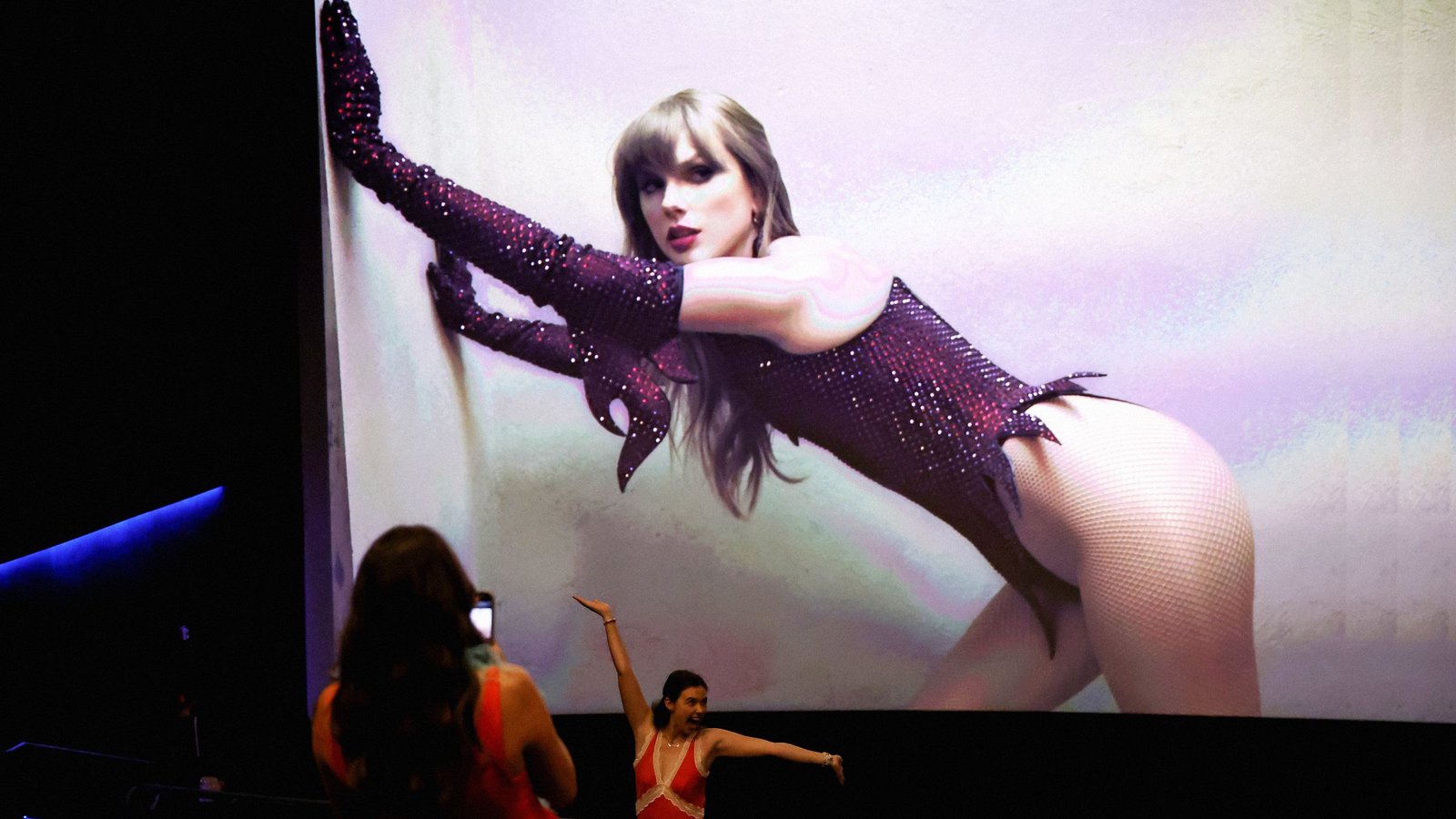
Taylor Swift’s latest collaboration with Google has ignited a firestorm among her dedicated fanbase, as critics and AI researchers point to visual inconsistencies and garbled text as evidence of generative artificial intelligence in her recent promotional campaign. The backlash centers on a series of scavenger hunt videos designed to unlock the lyric video for “The Fate of Ophelia,” the lead single from her newest album. While the campaign intended to drive engagement, it instead triggered a viral movement under the hashtag #SwiftiesAgainstAI.
Visual Inconsistencies Spark Immediate Skepticism
The controversy erupted when fans identified technical flaws in the promotional clips that diverged sharply from Swift’s reputation for meticulous production. Marcela Lobo, a Brazil-based graphic designer and a fan since age 12, noted that the visual output lacked professional polish. Lobo highlighted mismatched shadows and distorted environmental details, such as windows and a painted piano, describing the final product as substandard. These “wonky” aesthetics served as the primary indicator for fans and researchers alike that the content may have bypassed human creators.
Expert Analysis Confirms High Likelihood of AI Use
Ben Colman, CEO and cofounder of AI detection firm Reality Defender, supports the fans’ suspicions, stating it is “highly likely” that generative AI produced several of the promo clips. Colman pointed to “garbled and nonsensical text” within the videos—a common hallucination in AI-generated media—as a definitive giveaway. Despite the mounting evidence and public inquiry, representatives for both Taylor Swift and Google have declined to comment on the production methods used for the campaign.
The Paradox of Artistic Ownership
The alleged use of AI strikes a discordant note for a songwriter who has built her career on the sanctity of artistic ownership and fair royalties. Ellie Schnitt, a prominent Swift influencer with over 500,000 followers on X, argues that utilizing generative AI contradicts Swift’s public battles for creative control. Schnitt, who frequently defends the artist against disproportionate criticism, stated that using AI is where she “draws a line.” She emphasized that Swift, having previously been a victim of nonconsensual deepfakes and AI-generated political misinformation, should be more cognizant of the technology’s inherent harms.
In a 2023 Instagram post endorsing Kamala Harris, Swift explicitly voiced her fears regarding AI after her likeness was used in a false endorsement of Donald Trump. Fans are now revisiting those statements, questioning the consistency of her stance if her own team is deploying similar technology for commercial purposes. The outcry reflects a broader sentiment captured by Pew Research Center, which found that nearly half of consumers value art less when they discover it was AI-generated.
A Digital Retreat and Restricted Searches
By Monday, the “Life of a Showgirl” promotional videos began disappearing from YouTube, and several related posts on X were deleted. Interestingly, X has restricted searches for “Taylor Swift AI,” a measure originally implemented to combat the spread of explicit deepfakes. While the removal of the videos suggests a response to the backlash, Schnitt and other activists argue that “privating” the content is insufficient, calling instead for a public apology and a commitment to human-led artistry.
Broader Implications for the Creative Economy
Beyond the immediate aesthetic concerns, the #SwiftiesAgainstAI movement highlights systemic issues, including the environmental impact of AI’s energy demands and the displacement of human professionals. Lobo contrasted the current promos with Swift’s 2017 “Look What You Made Me Do” lyric video, which featured high-end motion design from a dedicated studio. “I have a job that is threatened by AI,” Lobo stated, emphasizing that the technology often disregards art to prioritize rapid product turnover.
While tools like Google’s Veo 3 allow for the near-instant creation of video content from simple prompts, the strategy appears to have backfired with this specific demographic. Swift’s fanbase, known for its deep emotional investment in her creative process, views AI as an infiltration of a “safe space” built on human connection. As long as the singer maintains her silence, the rift between her brand’s message of authenticity and its recent marketing tactics continues to widen.