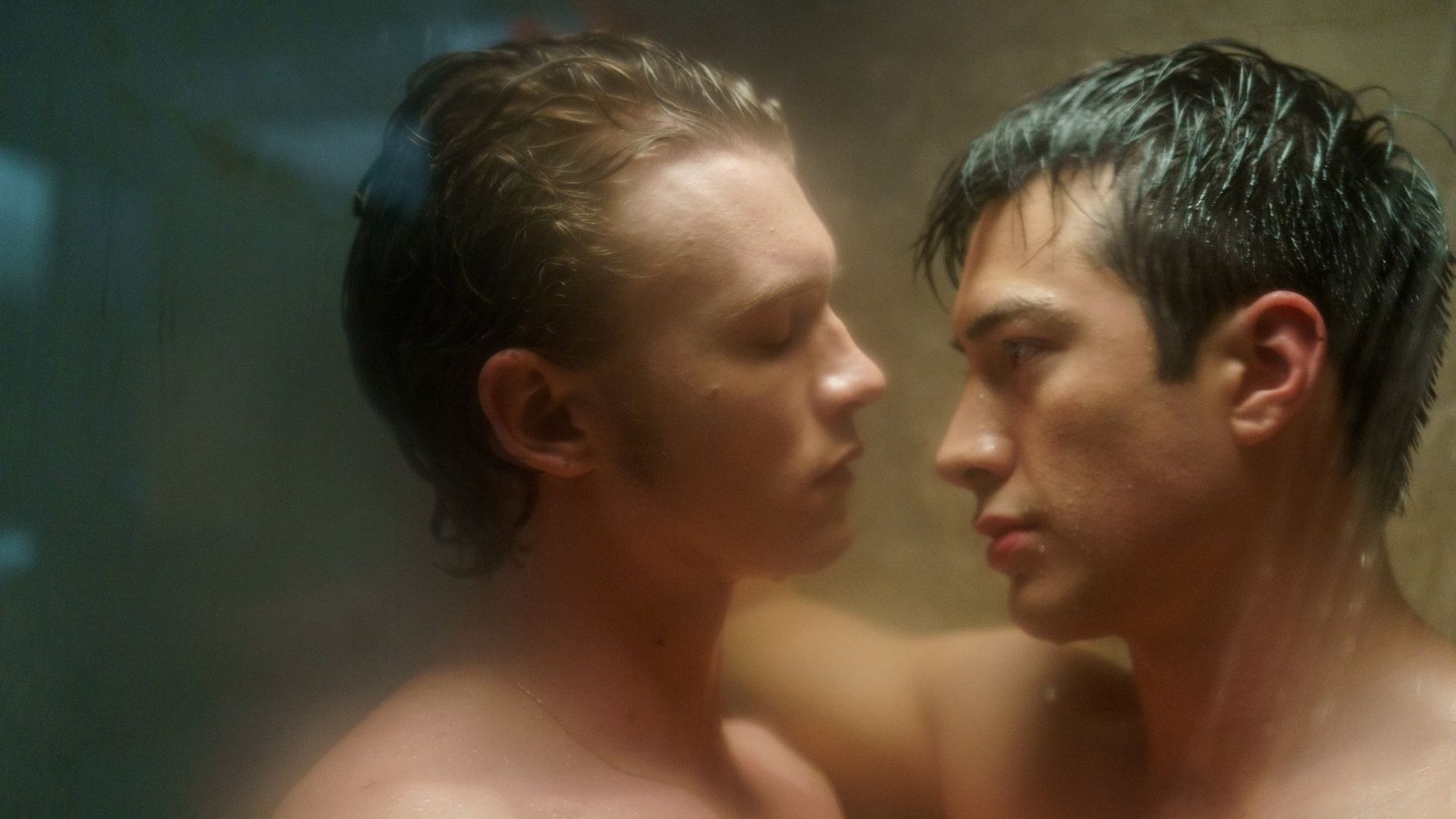
Rachel Reid’s Heated Rivalry has evolved from a cult-favorite hockey romance into a global streaming phenomenon, securing the top spot on both Crave and HBO Max while igniting intense debate over queer representation and character psychology. Following the immediate greenlighting of a second season, the Nova Scotia-based author is now navigating the complex discourse surrounding her characters, Shane and Ilya, as the series transitions from the page to the screen.
Record-Breaking Performance on Crave and HBO Max
The television adaptation of the Game Changers series debuted in late November and rapidly ascended the charts, becoming Crave’s most-watched original series of all time. Its success mirrored this performance in the United States, where it claimed the number one position on HBO Max. This massive viewership has transformed what Reid initially viewed as a “hockey romance” into a subject of intense academic-style analysis across platforms like Reddit and BookTok.
Decoding Neurodivergence and Character Trauma
Fans have long theorized about the neurodivergence of lead character Shane, a topic Reid recently clarified. While the books do not explicitly label him, Reid confirms that she wrote Shane as neurodivergent. She explains that the character, a young hockey superstar, lacks the self-awareness or situational need to seek a formal diagnosis. To Reid, this trait is an intrinsic part of his identity that became clearer as she deepened her own understanding of autism during the writing process.
Addressing Criticism of ‘Blind Spots’ and Representation
The discourse has also touched on the intersection of race and trauma within the sport. Some readers have criticized Reid for suggesting that Shane, an Asian-Canadian man in a predominantly white league, lacks the trauma that his rival, Ilya, carries. Reid welcomes this feedback, acknowledging potential blind spots in her representation. She clarifies that while Shane has enjoyed a supportive family environment, Ilya’s character is defined by the specific, unresolved trauma of losing his mother at a young age and dealing with a neglectful father.
Industry Backlash and the Ethics of Outing Actors
The show’s rise has not been without friction. I Love LA star Jordan Firstman publicly criticized the series in a Vulture interview, claiming the depicted intimacy does not accurately reflect gay sex. Firstman further pressured lead actors Hudson Williams and Connor Storrie to disclose their sexual orientations, stating he lacked respect for those who prioritize their careers over public disclosure. This prompted a sharp rebuttal from co-star François Arnaud, who questioned if “closeted hockey players” should be expected to mirror the lifestyle of “sceney LA” individuals.
Reid, alongside show creator Jacob Tierney, stands firmly behind the actors’ right to privacy. She asserts that while creators must be sensitive and responsive to the communities they represent, the personal lives of the cast and crew should remain private. Reid emphasizes that the ability to tell queer stories should be rooted in thoughtfulness and a willingness to listen to community feedback rather than mandatory public disclosures.
The Future of the ‘Game Changers’ Universe
As the production team prepares for Season 2, Reid remains deeply embedded in the world of professional hockey romance. While she has previously hesitated to commit to more books featuring Shane and Ilya, she admits the characters are constantly on her mind. Furthermore, Reid teased a major new project announcement scheduled for January, signaling that her influence on the genre is set to expand even further following this “unlikely” but joyful success.