US broadcaster Alicia Lewis and a wave of international athletes are sparking a viral cultural debate at the 2026 Winter Olympics in Italy, where the ubiquitous presence of the bidet has left many foreign visitors perplexed. While the fixture is a staple of Italian domestic life, social media platforms like TikTok have recently been flooded with “double-take” videos from confused Olympians attempting to decipher the purpose of the low-slung ceramic basins found in their accommodations.
From 18th-Century Aristocracy to Mandatory Italian Law
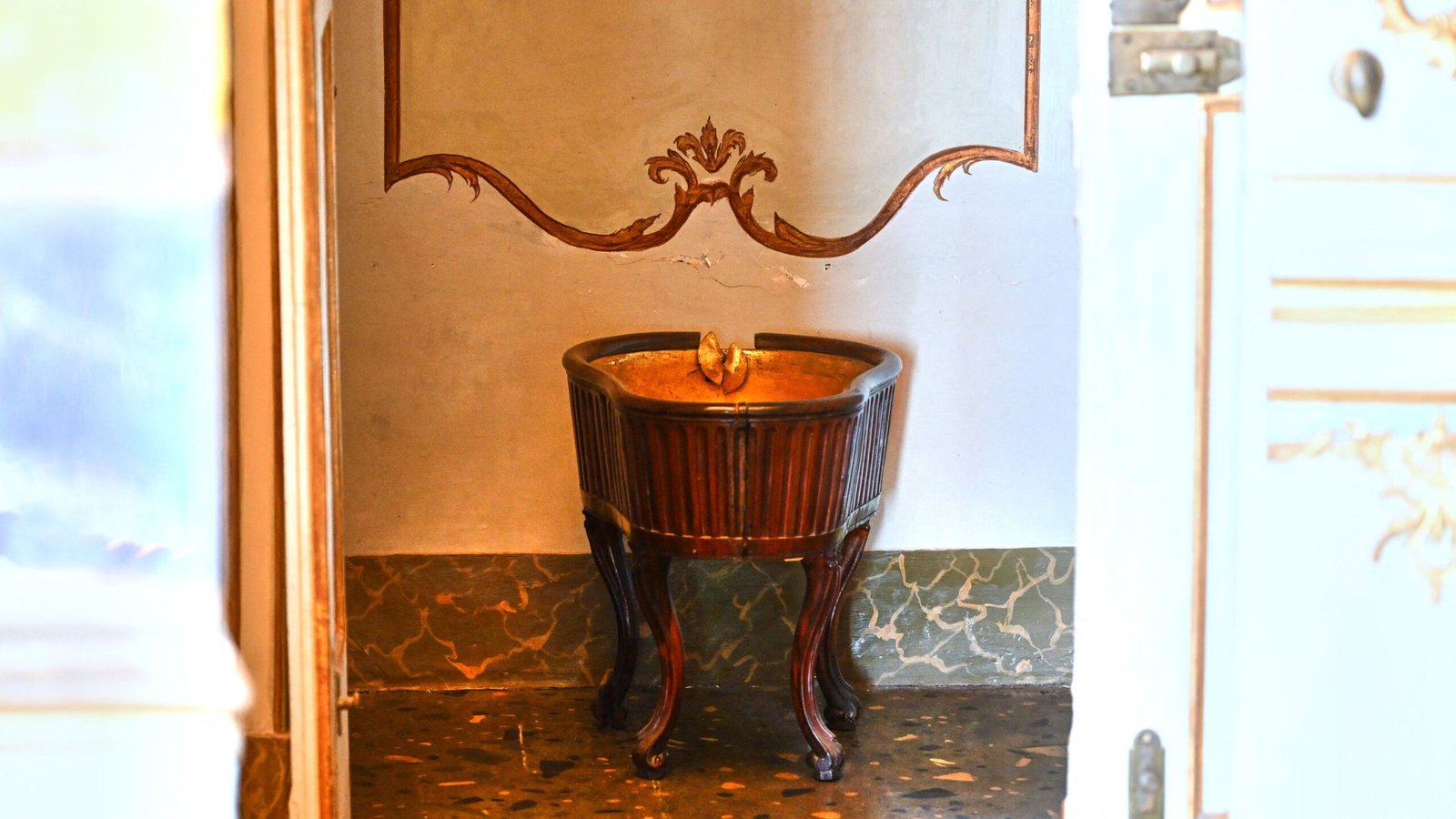
The bidet’s origins trace back to early 18th-century France, though its exact inventor remains a historical mystery. The term itself derives from the Old French word for “pony” (from bider, meaning “to trot”), a direct reference to the straddling position required to use the device. Despite its French roots, the fixture found its true home in Italy around 1720.
The device gained significant royal traction when Maria Carolina of Habsburg-Lorraine, the Queen of the Two Sicilies, insisted on installing a bidet in her private chambers at the Palace of Caserta. However, the transition from an aristocratic luxury to a household essential took centuries. Following the advancement of indoor plumbing in the 20th century, the bidet migrated from the bedroom to the bathroom. Its status as a non-negotiable element of Italian life was finalized in 1975, when national law made the installation of a bidet compulsory in every private residence.
Global Adoption and the Rise of the Japanese Washlet
While often viewed as a European curiosity, the bidet maintains a strong presence across Greece, Turkey, and Finland, where it frequently appears as a “shower bidet” nozzle positioned adjacent to the toilet. The fixture is also a standard feature in South American nations such as Argentina, Uruguay, and Paraguay, as well as throughout Northern Africa.
In recent decades, Japan has revolutionized the concept by merging the bidet and toilet into a single high-tech unit known as the “washlet.” These devices feature integrated, adjustable water jets and automated controls, representing the peak of modern bathroom technology and further distancing the practice from its manual, basin-based origins.
Sustainability Drives a Modern Bidet Renaissance
The current fascination with bidets extends beyond Olympic curiosity, fueled by a growing global emphasis on environmental sustainability. In New York City, Mayor Zohran Mamdani recently expressed his “aspirational hope” to install bidets at Gracie Mansion, highlighting a shift in American perspectives toward the device.
The NYC Department of Environmental Protection has actively supported this transition, utilizing social media to promote the mantra that “more bidets equal fewer wet wipes.” As consumers increasingly look for ways to reduce their environmental footprint, the bidet offers a viable alternative to both toilet paper and non-biodegradable wipes, which frequently clog municipal sewage systems. Although the fixture faces an uphill battle for mainstream adoption in the United States, its growing popularity suggests that the bidet is far from being wiped out of the global conversation.